
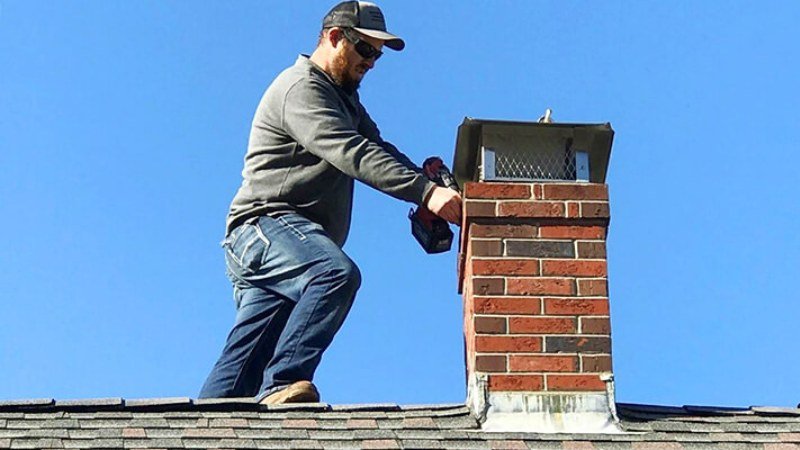
Marcus, a homeowner in North Dallas, noticed something odd last January. Every time he lit his fireplace, a thin ribbon of smoke curled back into the living room. He assumed it was a drafting fluke. By February, there was a rust stain spreading down the firebox wall, and a faint musty odor had settled into the room like an uninvited guest. The culprit turned out to be a cracked chimney crown, compromised flashing, and a flue liner that had quietly deteriorated over several winters. What started as a minor nuisance became a significant repair bill — one that a single annual inspection might have caught early. If you are searching for reliable chimney repair dallas services, what you need first is a clear picture of what repairs actually involve, what warning signs to take seriously, and why the Dallas climate makes routine maintenance more than just a good idea.
Chimney Repair Services Available in Dallas
Not all chimney problems look the same. Some are structural. Some involve water. Hidden inside the flue where no homeowner can see them without specialized equipment. Understanding the categories of repair helps you describe your problem accurately when you call — and helps you evaluate whether the quote you receive makes sense.
Masonry and Structural Chimney Repair
Brick chimneys take a beating. Heat, moisture, and weather stress gradually erode the mortar joints that hold everything together. Tuckpointing is the process of removing deteriorated mortar and replacing it with fresh mortar to restore the structural integrity of the chimney stack. Without it, water finds its way into the gaps. Bricks begin to shift. The whole structure can become unstable.
The chimney crown — the concrete slab that caps the top of the chimney — is one of the most frequently damaged components on Dallas homes. It takes direct hits from rain, hail, and UV exposure year after year. A cracked crown lets water flow directly into the chimney structure. Full crown replacement stops that infiltration before it cascades into interior damage. According to the National Fire Protection Association, structural deterioration is among the leading contributors to chimney-related safety hazards.
Flashing Repair and Chimney Cap Replacement
Flashing is the metal seal where the chimney meets the roofline. When it separates, bends, or corrodes, water moves straight into the attic or the walls adjacent to the fireplace. Homeowners often mistake flashing leaks for roof leaks. A certified chimney technician can distinguish between the two quickly and seal the gap before the damage spreads further.
The chimney cap is equally important. It sits at the top of the flue and blocks rain, small animals, leaves, and debris from entering the system. A missing or damaged cap is one of the most common causes of animal nesting inside chimneys — which creates blockages that restrict airflow and can become a serious fire hazard. Installing a properly fitted replacement cap is a straightforward repair with an outsized impact on long-term performance.
Chimney Flue Liner Repair and Replacement
The flue liner is the interior channel that moves combustion gases safely out of your home. When it cracks or deteriorates, those gases — including carbon monoxide — can seep into living spaces. The Centers for Disease Control and Prevention identifies carbon monoxide as a silent, odorless killer responsible for hundreds of unintentional deaths annually in the United States. A compromised liner is not a minor inconvenience. It is a health risk.
Relining options include stainless steel liners, which are suitable for both gas and wood-burning fireplaces and are among the most durable long-term solutions available in Dallas. A professional chimney sweep will assess the existing liner’s condition during an inspection and recommend the appropriate repair or replacement based on the chimney’s age, fuel type, and current damage level.
Common Signs Your Chimney Needs Repair in Dallas TX
Chimneys rarely fail all at once. They send signals. The homeowners who catch problems early are the ones who know what those signals look like.
Visible Structural Damage to Watch For
Spalling bricks — where the face of the brick flakes away — are a direct sign that water has penetrated the masonry. Cracked mortar joints, a visibly leaning chimney stack, or any separation at the roofline all indicate structural stress that needs professional assessment. These are not cosmetic issues. They are warnings that the chimney’s structural stability is eroding.
White staining on the chimney exterior, known as efflorescence, is caused by water carrying mineral salts out through the brick surface. It looks like chalky residue. It means moisture is actively moving through the masonry. That cycle of moisture infiltration will continue to degrade the material until the source is addressed through proper repair and waterproofing.
Smoke, Draft, and Odor Problems Inside the Home
Smoke backing up into the living room is one of the most disruptive signs of a chimney problem. It signals a blockage, a damaged liner, a closed or stuck damper, or a flue that is improperly sized for the appliance. Any of these requires professional diagnosis. Guessing and hoping the problem resolves itself is not a safe approach.
Persistent musty or smoky odors when the fireplace is not in use are also worth taking seriously. They typically point to creosote buildup, moisture inside the flue, or animal debris. A certified chimney sweep in Dallas can identify the source during a cleaning and inspection visit and recommend the appropriate corrective action.
Water Damage and Interior Staining
Water stains on ceilings or walls near the fireplace usually trace back to failed flashing or a cracked crown. Left unaddressed, that moisture damages drywall, promotes mold growth, and can compromise the framing adjacent to the chimney chase. Rust on the damper or inside the firebox is another red flag. Metal rusts when water is consistently present — meaning water is entering the system somewhere it should not be.
Chimney Inspections and Cleaning in Dallas TX
Repair and cleaning are not the same service. But they often go hand in hand. Understanding what an inspection actually involves helps homeowners make informed decisions rather than accepting a vague recommendation without context.
Understanding Chimney Inspection Levels I, II, and III
The chimney industry uses a three-level inspection framework, and knowing the difference matters when you are scheduling service. A Level I inspection covers accessible components — the exterior masonry, chimney cap, firebox, and visible portions of the flue. It is appropriate for chimneys that have been regularly maintained and show no signs of major problems.
A Level II inspection uses video scanning equipment to assess areas that are not visible from ground level or inside the firebox. It is required after any significant event — a chimney fire, a severe storm, or a home purchase. Real estate transactions in Dallas increasingly include Level II chimney inspections as standard due diligence, according to industry guidance from the Chimney Safety Institute of America.
A Level III inspection involves partial removal of chimney structure to access and assess concealed damage. It is reserved for situations where serious hazards are suspected and cannot be evaluated through visual or video means alone. This level is uncommon but necessary when significant structural failure or hidden liner damage is indicated.
Chimney Cleaning and Creosote Removal in Dallas
Creosote is a byproduct of burning wood. It coats the inside of the flue in layers. Stage one creosote is light and dusty — relatively easy to remove. Stage three creosote is dense, tar-like, and highly flammable. Even in North Texas, where fireplaces are used seasonally rather than daily, creosote can accumulate to dangerous levels over multiple seasons of use without cleaning.
Certified chimney sweeps remove creosote, soot, and physical blockages during a professional chimney cleaning. The result is improved airflow, reduced fire risk, and a flue that is ready for safe use. For wood-burning fireplaces, annual chimney flue cleaning aligned with pre-season preparation is the standard recommendation. Gas fireplace owners should also schedule regular inspections since gas systems produce their own forms of buildup and face the same moisture and structural risks as wood-burning systems.
Why Dallas Weather Makes Annual Chimney Maintenance Essential
Dallas is not a cold climate by national standards. That can lull homeowners into thinking chimneys here need less attention. The reality is more complicated.
Seasonal Temperature Swings and Masonry Stress in North Texas
Dallas winters can drop into freezing temperatures, then swing back to fifty or sixty degrees within days. That rapid cycling matters for masonry. Water that has entered small cracks expands when it freezes and contracts when it thaws. Each cycle widens the crack slightly. Over several winters, what started as a hairline fracture in a mortar joint becomes a structural gap. This is how chimneys that appear fine visually develop serious internal damage that is only caught during a professional inspection.
The chimney crown takes some of the hardest hits. Concrete crowns exposed to summer heat exceeding one hundred degrees Fahrenheit followed by winter freezes experience significant thermal stress. Checking crown condition annually prevents the kind of sudden failure that leads to expensive interior water damage.
Humidity, Rainfall, and the Need for Chimney Waterproofing in Dallas
North Texas receives an average of about 37 inches of rainfall annually, according to the National Weather Service’s Fort Worth/Dallas forecast office. That moisture, combined with high summer humidity, drives water into brick and mortar continuously. Unsealed masonry is porous. It absorbs moisture like a sponge.
Chimney waterproofing applies a vapor-permeable sealant to the exterior masonry surface. The sealant blocks liquid water from entering while still allowing the chimney to breathe — releasing water vapor that builds up inside the structure. This prevents the moisture cycle that leads to spalling, efflorescence, and mortar deterioration. For Dallas homeowners, waterproofing is not optional maintenance. It is a cost-effective preventive measure that significantly extends the life of the masonry and reduces the frequency of structural repairs.
Why Hire a Certified Chimney Sweep in Dallas
There is a meaningful difference between a certified chimney professional and a general handyman who offers chimney work as a side service. That difference matters when the job involves systems that handle combustion gases and fire.
Professional Credentials and Industry Safety Standards
Certification through organizations like the Chimney Safety Institute of America requires technicians to demonstrate knowledge of current safety codes, inspection protocols, and repair standards. A certified technician knows what a compromised liner looks like on a video scan. They know when tuckpointing is sufficient and when full structural repair is necessary. They understand the specific ventilation requirements for gas fireplace systems versus wood-burning systems — and they document their findings in a way that protects homeowners during insurance claims or real estate transactions.
Hiring an uncertified contractor for chimney work carries real risk. Improper liner installation creates carbon monoxide hazards. Missed structural damage leads to expensive secondary repairs. The short-term savings from a cheaper, uncertified option frequently cost more in the long run than hiring correctly the first time.
Service Advantages That Set Professional Chimney Companies Apart
Emerson Pro Services deploys background-checked technicians, offers same-day service options, and provides transparent upfront pricing with no hidden fees. For homeowners searching for a chimney sweep near me in the Dallas area, those operational standards matter. You are letting a professional into your home. Knowing that every technician has passed a background check is basic protection that not every provider offers.
Emerson also services both gas and wood-burning fireplaces under one provider. That eliminates the need to coordinate between different contractors for different systems. Whether the issue is a gas fireplace that is not venting properly or a wood-burning insert with creosote buildup, the same certified team handles the inspection, cleaning, and repair.
Chimney Repair and Maintenance Across the DFW Service Area
Communities Served Throughout the Dallas-Fort Worth Region
Emerson Pro Services extends coverage beyond Dallas proper to surrounding DFW communities throughout the metroplex. Homeowners in North Dallas and surrounding suburbs can access the same certified chimney sweep services, same-day availability, and transparent pricing that Dallas residents rely on. If you are unsure whether your neighborhood falls within the service area, a quick call to 469-212-7906 will confirm coverage and availability.
The full scope of available services — including chimney cleaning Dallas, Level I through III inspections, masonry restoration, crown and flashing repair, waterproofing, fireplace cleaning, and flue liner replacement — is accessible to homeowners across the DFW region. Consistent service quality, regardless of which community you are in, is a core part of how the company operates.
Scheduling Chimney Repair and Inspection Services in Dallas
Scheduling a chimney inspection Dallas TX homeowners can book quickly starts with a phone call to 469-212-7906 or a request submitted online through the contact form at Emerson Pro Services. Same-day appointments are available for urgent situations — whether you are dealing with active smoke backing into your home, visible water damage, or an upcoming real estate transaction that requires a Level II inspection on short notice.
- Call 469-212-7906 to speak with a scheduling specialist directly
- Request a quote online for non-urgent inspections and maintenance visits
- Ask about available fireplace cleaning discounts — current promotions include 10% off fireplace cleaning and $50 off fireplace repair
- Same-day service is available for urgent chimney repair situations across Dallas and DFW
The NFPA recommends annual chimney inspections as a baseline safety standard for all fireplace-equipped homes. In Dallas, where seasonal weather variation adds extra stress to masonry systems and moisture infiltration is a year-round concern, that recommendation carries extra weight. The difference between a $200 annual inspection and a $2,000 structural repair often comes down to how long a small problem was allowed to grow unnoticed.