
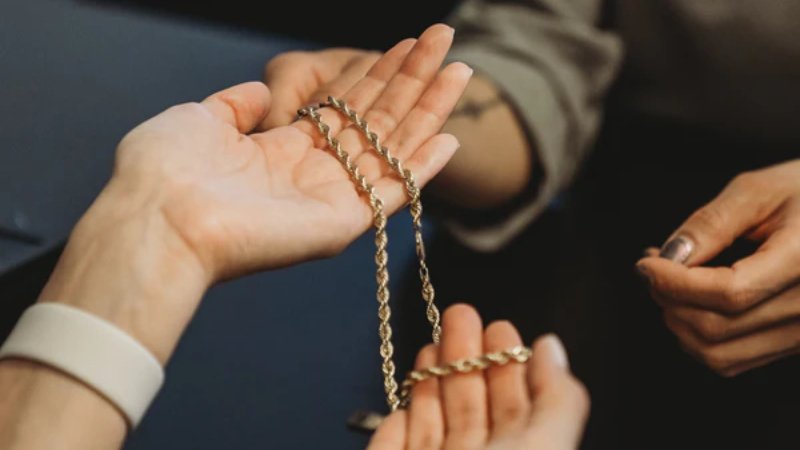
Why are more luxury buyers starting to view jewelry as more than just decoration? In Scottsdale, investment jewelry increasingly appeals to people who want purchases that combine beauty, exclusivity, and long-term value. High-end buyers are becoming more selective about where they place their money, especially in a world where financial uncertainty and shifting markets influence spending habits. Jewelry offers something many other luxury purchases cannot: the ability to enjoy an asset personally while still recognizing its potential financial significance. In a city shaped by affluent lifestyles, luxury culture, and strong demand for premium goods, investment jewelry has become part of a broader conversation about wealth, identity, and lasting value.
Why Wealthy Buyers Are Rethinking What Luxury Means
Luxury spending has changed noticeably over the last decade. Many affluent buyers are becoming more selective about where they put their money, especially during periods of economic uncertainty. Instead of focusing only on experiences or trend-driven purchases, some are looking for luxury items that may also preserve value over time. Investment jewelry fits into that mindset because it combines craftsmanship, rarity, and long-term desirability in a way few luxury products can.
At the same time, buyers still want enjoyment from what they purchase. What makes investment jewelry appealing is that it does not need to sit in a vault to have value. A high-quality necklace, bracelet, or ring can be worn regularly while still being viewed as a meaningful asset. For many luxury buyers in Scottsdale, that balance between personal enjoyment and financial awareness feels far more appealing than buying something designed purely for display or short-term status.
How Scottsdale’s Luxury Lifestyle Shapes Jewelry Trends
Scottsdale has built a reputation around upscale living, luxury retail, and high-end social culture. The city attracts affluent residents, seasonal homeowners, retirees, and entrepreneurs who often have strong interest in premium goods and collectible assets. In environments where fashion, networking events, and social gatherings play a visible role, jewelry naturally becomes part of personal identity and presentation. People are not only buying jewelry for special occasions anymore, they are also purchasing pieces that reflect long-term lifestyle choices.
The local market also benefits from the steady flow of wealth moving into the area. Many people relocating to Scottsdale bring valuable collections, inherited jewelry, and established buying habits with them. This creates strong demand for both modern luxury pieces and older estate jewelry with unique histories. Could a city with a strong luxury culture naturally become a hub for investment-focused jewelry buyers? Scottsdale increasingly shows signs of exactly that happening.
What Gives Certain Jewelry Pieces Long-Term Value
Not all jewelry holds value equally, which is why experienced buyers pay close attention to quality and rarity. Precious metals such as gold and platinum tend to remain desirable because they have intrinsic material value beyond fashion trends. Rare gemstones and well-crafted settings also contribute to long-term appeal, especially when pieces are made with strong attention to detail. Buyers interested in investment jewelry often focus on timeless designs rather than styles that may quickly lose popularity.
History and condition also play major roles in determining value. Jewelry that has been carefully maintained over decades can remain highly desirable in resale markets. Pieces connected to specific design eras or exceptional craftsmanship often attract collectors looking for something distinctive. In many cases, scarcity increases demand because buyers know similar pieces may become harder to find over time.
Why Vintage and Estate Jewelry Are Gaining So Much Attention
Vintage and estate jewelry continue gaining popularity among luxury buyers who want something more unique than mass-produced modern pieces. Older jewelry often reflects craftsmanship techniques that are less common today, which can make certain items stand out in the market. Buyers are also drawn to the individuality of estate pieces because they offer designs that are less likely to be duplicated repeatedly. For people tired of predictable luxury trends, older jewelry can feel far more personal and interesting.
Scottsdale’s affluent population has helped strengthen interest in this part of the market. Families frequently bring inherited collections and older luxury items with them when relocating or downsizing. Over time, many of these pieces re-enter the market through estate sales or personal financial decisions. As interest in investment jewelry grows, many affluent residents turn to reputable jewelry buyers in Scottsdale for appraisals, estate evaluations, and insight into current market demand. This steady circulation of older jewelry has created opportunities for buyers searching for rare, collectible, or historically interesting pieces that may also carry long-term value.
The Appeal of Wearing Wealth Instead of Storing It Away
One reason investment jewelry appeals to luxury buyers is that it feels tangible in a way many other investments do not. Stocks, digital assets, and financial accounts may hold value, but they often lack emotional connection or physical presence. Jewelry allows people to enjoy what they own while still viewing it as part of a broader wealth strategy. That combination of beauty and utility gives it a unique position within luxury markets.
There is also a strong emotional side to jewelry ownership that cannot be ignored. People often attach memories, milestones, and family significance to important pieces over time. Some buyers intentionally purchase high-quality jewelry with the idea that it may eventually be passed down to future generations. When an asset carries both financial and personal value, it tends to hold a deeper level of importance for the owner.
Why Exclusivity Matters So Much in the Luxury Jewelry World
Exclusivity has always played a major role in luxury markets, and jewelry is no exception. Affluent buyers are often drawn to items that feel rare, difficult to obtain, or highly distinctive. Limited availability naturally increases demand because people know not everyone will have access to the same pieces. In many cases, rarity becomes part of the appeal itself.
Custom-made jewelry and rare gemstones have become especially attractive to buyers seeking individuality. Some people want pieces that reflect personal taste instead of following mainstream trends. Others see exclusive jewelry as a way to separate themselves from more common luxury purchases. When scarcity combines with strong craftsmanship and lasting materials, the result can create stronger long-term interest in the piece.
What Experienced Buyers Pay Attention to Before Investing
Sophisticated buyers rarely purchase expensive jewelry without doing significant research first. Authenticity, certifications, and professional appraisals are extremely important when large amounts of money are involved. Buyers want confidence that gemstones, metals, and craftsmanship match what is being advertised. Clear documentation can also become important later if the piece is resold or passed through estate planning.
Experienced buyers also understand the difference between retail pricing and actual resale value. A high price tag alone does not guarantee strong long-term appreciation. Many investors focus on timeless quality rather than temporary fashion trends because trends can change quickly. Asking the right questions before purchasing often makes the difference between buying a meaningful long-term asset and overpaying for short-term popularity.
The Reality Behind Investment Jewelry: Risks Buyers Should Understand
Despite its appeal, investment jewelry still carries risks that buyers should understand clearly. Not every piece will increase in value, and some may lose demand as trends shift over time. Buyers who focus too heavily on hype instead of quality may end up disappointed later. This is why careful research and realistic expectations remain important parts of the process.
There are also practical responsibilities tied to owning valuable jewelry. Insurance, secure storage, maintenance, and periodic appraisals can all add long-term costs. Some gemstones and materials require ongoing care to preserve their condition and appearance. Buyers who approach investment jewelry thoughtfully tend to understand that success often comes from patience, quality selection, and long-term perspective rather than quick profits.
Conclusion
Investment jewelry continues attracting Scottsdale luxury buyers because it sits at the intersection of personal enjoyment, status, and long-term financial thinking. Some people are drawn to the rarity and craftsmanship, while others appreciate the idea of owning tangible assets that can be worn, collected, or passed down through generations. Could that balance between emotional connection and financial awareness be the reason investment jewelry remains so appealing in luxury markets? As Scottsdale continues growing as a destination for affluent residents and high-end lifestyles, demand for jewelry with lasting value will likely remain strong. Buyers who approach these purchases thoughtfully often see them as more than accessories, viewing them instead as meaningful pieces of personal and financial legacy.