
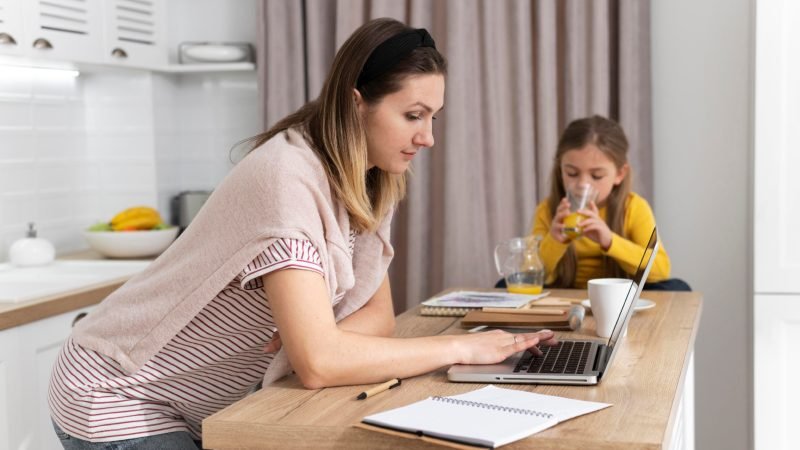
Managing daily expenses is a constant part of life for many moms. From groceries and utility bills to school supplies and unexpected costs, there is always something that needs attention. Keeping track of all these moving pieces can feel overwhelming, especially when time is limited. This is where a checking account becomes more than just a place to store money. It becomes a practical tool for staying organized and in control.
With the right approach, a checking account can simplify how daily expenses are handled and reduce the stress that often comes with managing a household budget.
Why Managing Daily Expenses Is Challenging for Moms
Handling household finances involves more than just paying bills. It requires balancing multiple priorities at once, often within a tight schedule.
One of the main challenges is managing different spending categories. A typical household budget includes groceries, utilities, transportation, school-related costs, and activities for children. Each category requires attention, and expenses can vary from week to week. Keeping everything organized without a clear system can quickly become difficult.
Unpredictable expenses also play a role. A sudden repair, a medical need, or an unexpected school requirement can disrupt even the most carefully planned budget. These moments require quick access to funds and a clear understanding of what is available.
Time is another factor. Many moms are balancing work, family responsibilities, and daily tasks, which leaves limited time for detailed financial tracking. Without a simple and efficient system, managing money can feel like an added burden.
How a Checking Account Supports Everyday Expense Management
A checking account helps bring structure to daily financial activity by creating a central place for all transactions.
When all income and expenses flow through one account, it becomes easier to see where money is going. This centralization reduces confusion and allows for better tracking of spending patterns. Access to funds is also straightforward. Debit cards, online payments, and mobile banking tools make it easy to handle expenses quickly, whether at home or on the go.
Many moms choose to open a checking account with no deposit when starting fresh or reorganizing their finances, since it allows them to begin without added pressure. This approach can make it easier to set up a system that fits their current needs.
Real time tracking is another important benefit. Being able to check balances and review transactions instantly helps prevent overspending and keeps everything aligned with the household budget.
Key Features Moms Should Look for in a Checking Account
Not all checking accounts offer the same level of convenience. Certain features can make managing daily expenses much easier.
Low or no monthly fees are important because they help reduce unnecessary costs. Every dollar saved on fees can be used for more important household needs. Mobile banking is also essential, as it allows moms to manage finances from anywhere, whether they are at home, at work, or running errands.
Automatic bill pay is another useful feature. It ensures that recurring expenses like rent, utilities, and subscriptions are paid on time without requiring constant attention. This reduces the risk of missed payments and late fees.
Spending insights and categorization tools can also provide value. These features help break down expenses into clear categories, making it easier to understand where money is going and identify areas where adjustments may be needed.
Practical Ways Moms Can Use a Checking Account for Daily Expenses
A checking account can be used in several practical ways to manage everyday spending more effectively.
Paying bills becomes simpler when payments are scheduled in advance. This removes the need to remember due dates and ensures that essential expenses are handled consistently. Grocery and household spending can also be managed more easily by using a debit card and reviewing transactions regularly.
Some moms choose to create informal categories within their account by setting spending limits for different areas. This helps maintain balance without requiring multiple accounts. Tracking expenses related to children, such as school supplies or activities, also becomes more manageable when everything is recorded in one place.
These small habits create a system that supports daily decision making and keeps spending aligned with priorities.
Common Mistakes to Avoid When Using a Checking Account
Even with a useful tool like a checking account, certain habits can make expense management more difficult.
Not tracking transactions regularly is one of the most common mistakes. Without consistent review, it is easy to lose sight of spending patterns. Ignoring account fees is another issue, as small charges can add up over time.
Overdrafting the account can also create unnecessary stress and additional costs. This often happens when balances are not monitored closely. Mixing personal and household budgets without a clear structure can further complicate things, making it harder to stay organized.
Avoiding these mistakes starts with awareness and a commitment to simple, consistent habits.
Tips for Staying Organized with a Checking Account
Staying organized does not require complex systems. A few practical steps can make a noticeable difference.
Reviewing transactions on a weekly basis helps keep spending in check and allows for quick adjustments if needed. Setting spending limits for key categories can provide guidance without being overly restrictive.
Using alerts for balance updates and payments adds an extra layer of awareness. These notifications help prevent missed bills and unexpected shortages. Keeping a small buffer in the account is also helpful, as it provides a cushion that reduces the risk of overdrafts.
Together, these habits create a routine that supports better financial management.
Frequently Asked Questions
Many moms look for simple ways to track daily expenses, and a checking account with mobile access often provides the easiest solution. While one account can be enough for a family, some may choose to use additional accounts for specific purposes as their needs grow.
Most bills can be managed directly through a checking account using online payments or automatic transfers. Avoiding overdraft fees usually comes down to monitoring balances regularly and maintaining a small buffer.
Final Thoughts
A checking account can play a key role in helping moms manage daily expenses with more clarity and less stress. By centralizing transactions, providing easy access to funds, and offering useful tools, it supports a more organized approach to household finances.
With a few simple habits and the right features, it becomes easier to stay on top of spending and make informed decisions. Over time, this consistency can lead to greater confidence and a stronger sense of control over everyday financial life.