
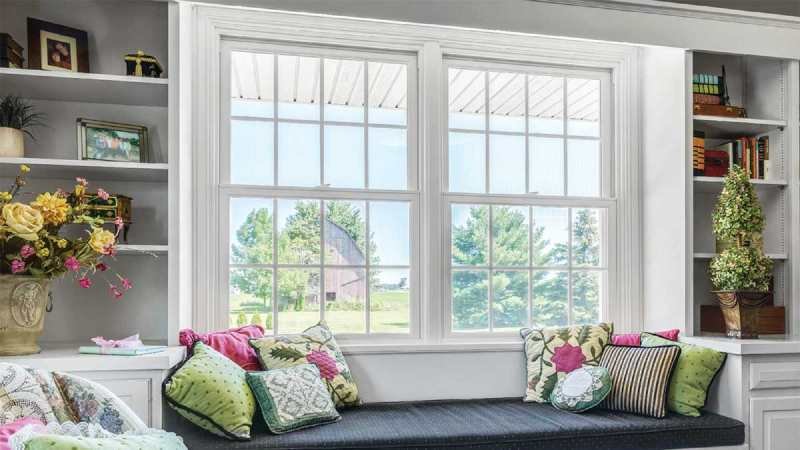
Windows do more for a home’s character than most homeowners realize until they get them wrong. The proportions, profile, and style of a window are as much a part of the architecture as the roofline or the front door, and a replacement that improves thermal performance while clashing with the building’s visual logic creates an improvement that comes with a persistent aesthetic cost.
For homeowners considering window and door installation in Markham, the local housing stock spans a wide range of architectural styles, from mid-century bungalows to traditional colonials to newer contemporary builds. Each of these styles has window types and proportions that suit it well, and understanding that relationship is the foundation of a renovation decision you will be genuinely satisfied with over the long term.
Why Window Style and Architecture Need to Match
The relationship between a window and the façade it occupies involves more than aesthetics. Architects originally determined window placement, size, and proportions based on structural limitations, interior daylighting needs, and the vernacular design principles of the period in which the home was built.When homeowners replace a window with a significantly different style or proportion, they work against design decisions that originally served specific functional and visual purposes.
This does not mean you cannot update or upgrade. It means that the most successful window replacements understand the architectural language of the home and either work within it or make deliberate, considered departures from it. An informed installer will be able to advise on options that improve performance without compromising the building’s visual coherence.
Traditional and Colonial Homes
Homes with traditional or colonial architecture, typically characterized by symmetrical facades, brick or stone cladding, and formal proportion, suit double-hung windows almost universally. The vertical emphasis of a double-hung window, with its two equal sashes that slide past each other, aligns with the structured, formal character of this style and has been its natural companion for well over a century.
Bay windows and bow windows work well in traditional homes where a sitting room or dining room calls for a larger, more elaborate window treatment. These projecting window forms bring in more light, create interior nooks, and add visual interest to the facade without breaking the traditional character of the design.
Bungalows and Ranch-Style Homes
The low horizontal profile of a bungalow or ranch-style home calls for windows that reinforce rather than interrupt that linearity. Single slider and double slider windows, which open horizontally rather than vertically, complement the long low character of these houses. Casement windows also work well in this context, particularly in kitchen and bathroom settings where a crank-operated outswing provides good ventilation without requiring significant height.
Picture windows, fixed-glass units that do not open, are well suited to the large uninterrupted wall spans common in ranch-style homes. They maximize light and view without introducing the sash lines and hardware that might feel busy in a simpler, more restrained architectural setting.
Contemporary and Modern Builds
Clean lines, expansive glass areas, minimal trim profiles, and a strong connection between indoor and outdoor spaces define contemporary architecture.Fixed picture windows and floor-to-ceiling glazing dominate in this category, with casement and tilt-and-turn windows providing ventilation openings that maintain the flush, uncluttered aesthetic.
Aluminum-framed windows suit contemporary homes particularly well because their narrow profiles allow larger glass areas within a given opening size, and their industrial appearance complements the material palette commonly used in modern architecture. For homeowners updating older contemporary homes, maintaining the slim sightlines of the original window design is usually a priority worth pursuing.
Getting the Details Right
Beyond style, the details of a window, its frame color, grille pattern, hardware finish, and interior casing profile, all contribute to how well it reads within the home. Grilles, for example, can evoke period character in a traditional home or feel anachronistic in a modern one. The choice of white, almond, or wood-grain interior finish affects how the window relates to the interior trim and millwork throughout the house.
Homeowners achieve the most satisfying window replacement results when they make these decisions deliberately and use the home’s specific architecture—not a catalogue default—as the reference point.A knowledgeable supplier and installer will walk you through these choices, but arriving with some understanding of your home’s design logic makes those conversations considerably more productive.