
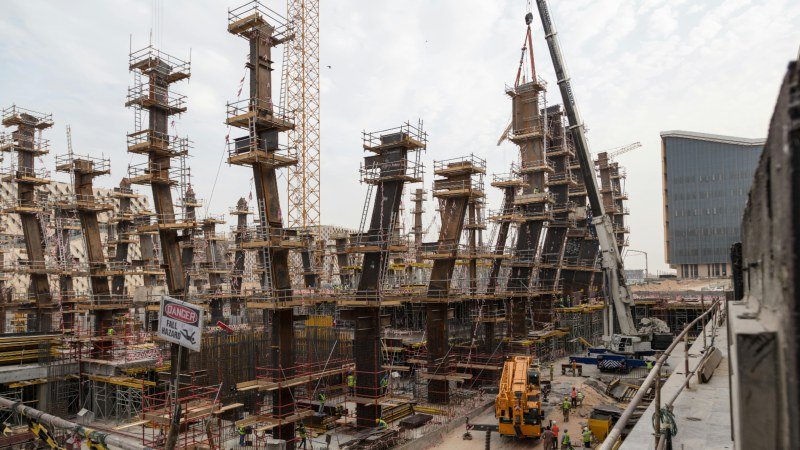
Construction delays are among the most expensive challenges contractors face. Missed deadlines can lead to budget overruns, strained client relationships, and penalties that significantly impact profitability. While some setbacks are unavoidable, many delays stem from inefficient workflows, equipment breakdowns, or the lack of proper machinery for specific jobsite conditions.
Investing in the right equipment is one of the most effective ways construction companies can reduce downtime, improve productivity, and keep projects on schedule. Although purchasing new machinery requires upfront capital, the long-term savings often outweigh the initial costs. Strategic equipment investments not only enhance operational efficiency but also help companies stay competitive in an industry where timely project delivery is critical.
The True Cost of Construction Delays
Project delays affect more than completion dates. Labor costs continue to accumulate while crews wait for tasks to resume. Equipment rentals may need to be extended, subcontractors may require schedule adjustments, and clients can lose confidence in a contractor’s ability to deliver.
Delays can be caused by a variety of factors, including:
- Equipment failures
- Material shortages
- Poor site preparation
- Weather-related interruptions
- Inefficient transportation logistics
- Dust and environmental compliance issues
While companies cannot control every external factor, they can reduce risks by ensuring they have reliable and well-maintained equipment available when needed.
Investing in Reliable Earthmoving Equipment
Earthmoving activities often determine how quickly a project progresses. Excavation, grading, and site preparation are foundational tasks that influence every phase that follows.
Older machinery may seem economical because it has already been paid off, but aging equipment tends to experience more frequent breakdowns. Repairs not only consume maintenance budgets but also halt productivity.
Modern excavators, bulldozers, and loaders offer several advantages:
- Improved fuel efficiency
- Advanced diagnostics that detect maintenance issues early
- Greater operator comfort and safety
- Faster cycle times
- Reduced emissions
Companies that replace outdated machines with newer models often see measurable improvements in productivity and lower maintenance expenses over time.
Compact Equipment for Urban Construction
Construction projects in densely populated areas come with unique challenges. Limited space and restricted access can slow down operations if crews rely solely on large machinery.
Compact skid steers, mini excavators, and compact track loaders allow operators to work efficiently in confined spaces without sacrificing performance.
These machines are particularly useful for:
- Residential developments
- Utility installations
- Landscaping projects
- Sidewalk and road repairs
- Renovation work
By selecting equipment designed for tight working environments, contractors can minimize disruptions and complete tasks faster.
Material Handling Solutions That Improve Efficiency
Material movement is another area where delays commonly occur. Workers spending excessive time transporting supplies manually or waiting for lifting equipment creates bottlenecks throughout the project.
Forklifts and telehandlers significantly reduce handling times and improve workflow coordination. With greater reach and lifting capacity, these machines enable crews to position materials exactly where they are needed.
Benefits of investing in material handling equipment include:
- Reduced labor demands
- Improved jobsite safety
- Faster unloading operations
- Better inventory management
- Increased productivity across multiple trades
Efficient material transportation keeps workers focused on their specialized tasks rather than spending valuable hours moving supplies.
Dust Suppression Equipment Helps Maintain Productivity
Dust management is often overlooked until it becomes a serious issue. Excessive dust can reduce visibility, create hazardous working conditions, and lead to complaints from nearby residents or businesses. In some locations, regulatory agencies may even halt work if dust control measures are inadequate.
Construction companies working on road projects, demolition sites, or large-scale earthmoving operations frequently benefit from investing in a dust control water truck to maintain safer and cleaner working environments.
Proper dust suppression provides several advantages:
- Improved air quality for workers
- Better visibility for machine operators
- Reduced wear on equipment components
- Compliance with environmental regulations
- Fewer project interruptions caused by inspections or complaints
Addressing dust proactively ensures operations continue smoothly, especially during dry and windy seasons.
GPS and Machine Control Technology
Technology has become an essential component of modern construction operations. GPS-guided equipment and machine control systems allow operators to achieve precise grading and excavation results with minimal rework.
Traditional surveying methods can take considerable time and may require repeated measurements. Machine control systems simplify these processes by providing real-time guidance directly inside the equipment cab.
Advantages include:
- Increased grading accuracy
- Reduced material waste
- Faster project completion
- Lower fuel consumption
- Improved coordination between field teams
Companies that adopt digital technologies often experience substantial productivity gains while reducing costly errors.
Backup Power Systems Prevent Unexpected Downtime
Power interruptions can severely impact construction schedules. Tools, lighting systems, temporary offices, and specialized machinery may depend on a continuous electricity supply.
Portable generators and backup power solutions ensure critical operations continue even when utility connections are unavailable or unreliable.
Reliable power sources are particularly important for:
- Remote construction sites
- Infrastructure projects
- Emergency restoration work
- Nighttime operations
Having backup systems in place allows teams to maintain momentum and avoid unnecessary delays.
Fleet Telematics and Preventive Maintenance
Equipment maintenance is frequently postponed until problems arise. Unfortunately, reactive repairs are often more expensive and disruptive than preventive maintenance programs.
Fleet telematics systems help contractors monitor machine performance and identify issues before they lead to failures.
These systems can track:
- Engine hours
- Fuel consumption
- Idle time
- Service intervals
- Equipment location
- Operator behavior
With better visibility into fleet performance, managers can schedule maintenance during non-working periods, minimizing disruptions and extending equipment lifespan.
Renting Versus Purchasing Equipment
Not every construction company has the financial resources to purchase every piece of machinery outright. Determining whether to rent or buy depends on how frequently the equipment is used.
Purchasing equipment generally makes sense when:
- Machines are required for multiple projects each year
- Long-term operational costs are lower than rental fees
- Equipment availability is critical to maintaining schedules
Renting may be the better option when:
- Specialized equipment is needed temporarily
- Capital budgets are limited
- Technology changes rapidly
- Storage space is unavailable
Many successful contractors adopt a hybrid strategy by owning frequently used machines while renting specialized equipment only when necessary.
Training Operators Maximizes Equipment Investments
Even the most advanced machinery cannot deliver optimal performance without properly trained operators. Inexperienced users may reduce efficiency, increase fuel consumption, or damage equipment unintentionally.
Ongoing training programs help employees:
- Understand new technologies
- Improve safety practices
- Reduce operational errors
- Increase productivity
- Extend equipment lifespan
Investing in workforce development ensures companies receive the maximum return from their equipment purchases.
Final Thoughts
Construction companies operate in an increasingly competitive environment where clients expect projects to be completed on time and within budget. While delays can never be eliminated entirely, they can be significantly reduced through strategic equipment investments.
Reliable earthmoving machines, efficient material handling systems, dust suppression solutions, GPS technology, preventive maintenance programs, and operator training all contribute to smoother project execution.
Rather than viewing equipment purchases solely as expenses, contractors should consider them long-term investments that improve productivity, strengthen client relationships, and support sustainable business growth. Companies that prioritize efficiency today are far better positioned to handle larger projects and meet future demands with confidence.