
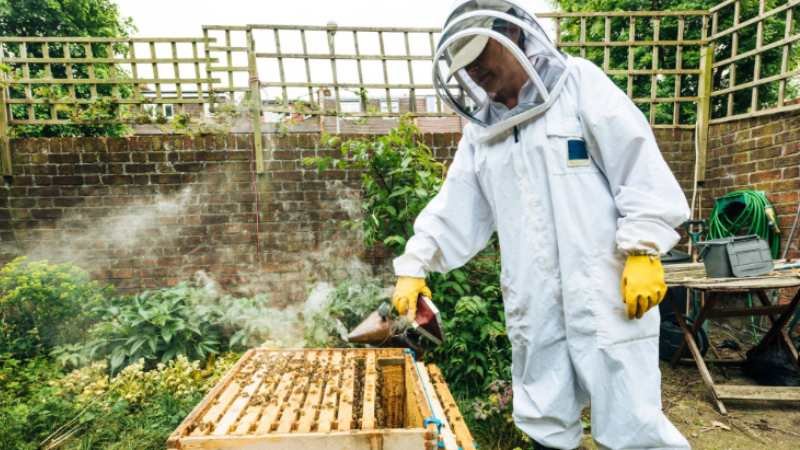
Gardening has become more than just a hobby for many families. People are creating pollinator-friendly outdoor spaces, growing organic vegetables, and building healthier backyard environments. As interest in sustainable gardening increases, beekeeping is also becoming an important part of home gardens and small farms.
Bees play a major role in pollination, helping flowers, fruits, and vegetables grow more effectively. For gardeners who keep bees or work near active hives, protective clothing is essential. A reliable beekeeper suit helps gardeners and beekeepers safely manage hives while protecting themselves from bee stings.
Why Bees Matter in Every Garden
Pollinators are responsible for supporting the growth of many plants found in home gardens. Without bees, many fruits and vegetables would struggle to develop properly.
Bees help pollinate:
- Tomatoes
- Cucumbers
- Apples
- Berries
- Pumpkins
- Flowers and herbs
Healthy bee activity often leads to stronger plant growth and improved harvests. This is why many gardeners are now adding bee-friendly plants and even small hives to their outdoor spaces.
The Importance of Protective Clothing in Gardening and Beekeeping
While bees are beneficial insects, working close to hives still requires proper protection. Bees can become defensive during hive inspections or sudden environmental changes. Protective clothing helps reduce stress and creates a safer experience for anyone managing bees around gardens.
A professional beekeeper suit provides:
- Full-body protection
- Face and neck coverage
- Comfortable movement around hives
- Reduced risk of stings
- Better confidence during inspections
Protective gear allows gardeners and beekeepers to focus more on hive care and pollination instead of worrying about bee stings.
Features to Look for in a Beekeeper Suit
Not all protective suits offer the same level of comfort or durability. Choosing the right equipment is important for both beginner and experienced beekeepers.
Ventilated Fabric for Outdoor Comfort
Gardening and hive work are usually done outdoors, often during warm weather. Ventilated bee suits use breathable mesh layers that improve airflow while maintaining sting protection.
Ventilated suits help:
- Reduce overheating
- Improve comfort during summer inspections
- Allow longer working hours
- Increase flexibility and movement
Comfortable protective clothing makes outdoor work much easier.
Strong Veil Protection
The face and neck are the most sensitive areas for bee stings. A secure veil protects these areas while maintaining visibility around hives and garden spaces.
Common veil styles include:
- Round veils
- Fencing veils
- Detachable veils
Clear visibility helps beekeepers stay calm and move carefully around bees.
Durable Zippers and Stitching
Outdoor work can place stress on protective clothing. Quality stitching and strong zippers improve durability and help prevent bees from entering the suit.
Professional suits are designed for long-term use during regular hive inspections and garden maintenance.
Why More Gardeners Are Exploring Beekeeping
Many people are now combining gardening with backyard beekeeping to support pollination naturally. Small home apiaries can help improve flower growth and vegetable production while encouraging environmental sustainability.
Benefits of backyard beekeeping include:
- Better pollination for plants
- Increased biodiversity
- Fresh honey production
- Educational outdoor activities
- Support for local ecosystems
As interest grows, more families are learning the importance of proper protective equipment before working with bees.
Beginner-Friendly Beekeeping Safety Tips
New beekeepers should always prioritize safety during hive inspections. Calm behavior and proper clothing help reduce stress for both the beekeeper and the bees.
Helpful beginner tips include:
- Wear a complete beekeeper suit
- Inspect hives during calm weather
- Avoid sudden movements
- Use gloves and proper footwear
- Keep protective gear fully zipped
Proper preparation creates a safer and more enjoyable experience.
How Bee-Friendly Gardens Support Sustainability
Gardens that attract pollinators contribute to healthier ecosystems. Planting flowers, herbs, and native plants encourages bee activity and supports local pollination.
Popular bee-friendly plants include:
- Lavender
- Sunflowers
- Rosemary
- Mint
- Wildflowers
- Marigolds
Combining pollinator-friendly gardening with safe beekeeping practices creates a balanced outdoor environment for families and communities.
Common Mistakes When Buying a Beekeeper Suit
Some beginners choose low-cost suits without checking quality or ventilation. Poor protective gear may reduce comfort and create unnecessary safety risks.
Common mistakes include:
- Buying incorrect sizing
- Ignoring ventilation features
- Choosing weak zippers
- Using thin fabric with poor sting protection
- Selecting uncomfortable veil designs
Investing in reliable equipment improves long-term comfort and protection.
Caring for Protective Beekeeping Clothing
Proper maintenance helps extend the lifespan of a beekeeper suit.
Simple care tips include:
- Clean suits regularly after inspections
- Store in a dry location
- Check seams and zippers for damage
- Avoid harsh detergents
- Keep veils properly shaped for visibility
Well-maintained protective gear remains comfortable and effective for years.
Choosing Reliable Beekeeping Equipment

As more gardeners and hobbyists enter the world of beekeeping, quality protective equipment is becoming increasingly important.
Bebees provides modern beekeeping clothing and accessories designed for comfort, durability, and safe hive management. Their collection includes ventilated suits, premium beekeeping jackets, veils, gloves, and protective gear suitable for beginners and experienced beekeepers alike.
Final Thoughts
Beekeeping and gardening work together naturally to support healthier outdoor spaces and stronger plant growth. However, safe hive management always begins with reliable protective clothing.
A professional beekeeper suit helps gardeners and beekeepers work confidently around bees while improving comfort and safety during outdoor inspections. As more families explore sustainable gardening and pollinator-friendly living, dependable beekeeping equipment will continue to play an important role in creating successful and enjoyable backyard environments.