
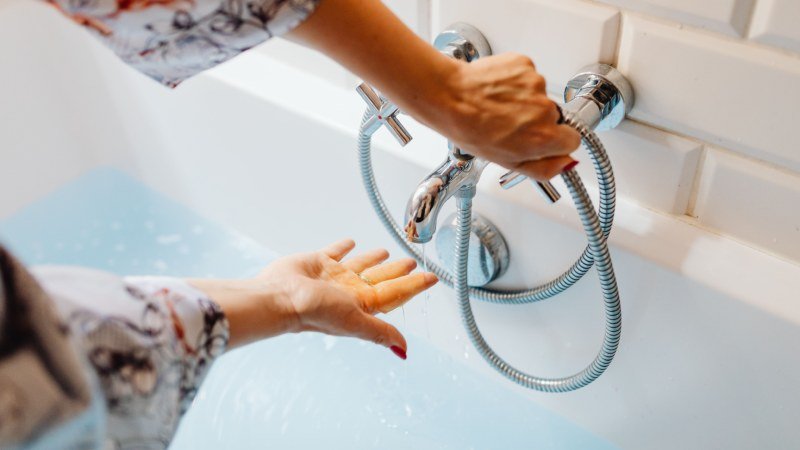
Alternating between heat and cold exposure is an ancient practice with modern scientific support. The method, often performed using a hot environment like an outdoor sauna followed by a cold plunge or shower, creates a dynamic effect on the circulatory system. Understanding what happens inside the body during this process reveals why many people find it both invigorating and restorative.
The Initial Heat Phase
When the body is exposed to high temperatures, blood vessels expand to release heat. This natural response, known as vasodilation, allows blood to flow more freely to the skin’s surface. As circulation increases, muscles relax and tension decreases, helping to ease stiffness and promote flexibility.
The heart rate often rises slightly in this stage, similar to mild exercise. Increased cardiac output supports nutrient and oxygen delivery throughout the body. For many, spending time in an Backyard Canada environment with warm water or air enhances this effect, contributing to a sense of calm and relaxation.
The Cold Exposure Phase
Transitioning from heat to cold triggers an immediate constriction of blood vessels, a process called vasoconstriction. This reaction redirects blood toward vital organs to preserve core temperature. The sudden shift stimulates the nervous system and increases alertness.
While the skin surface cools rapidly, deeper tissues remain warm for a time, creating a powerful contrast that encourages circulation efficiency. The body’s effort to adapt to this sudden temperature change can result in improved vascular tone over repeated sessions.
Physiological Benefits of the Cold Phase
Reduced inflammation and swelling in muscles and joints
Enhanced recovery following physical activity
Heightened mental clarity due to increased adrenaline and oxygen flow
Though the cold may feel intense initially, the body’s natural adaptation quickly restores comfort. Regular exposure can help train the circulatory system to respond more efficiently to stress and temperature variation.
Returning to Heat: The Final Stage
The second hot phase completes the cycle, helping the body rewarm and stabilize. Blood vessels expand once more, promoting a rush of circulation that flushes out metabolic waste accumulated during cooling. This alternating rhythm acts like gentle exercise for the vascular network, encouraging elasticity and resilience.
Many practitioners report that after completing the hot cold hot sequence, their skin feels revitalized and their energy levels rise. The contrast of temperatures stimulates both the cardiovascular and lymphatic systems, supporting overall balance and well-being.
Practical Tips for Safe Practice
Anyone interested in trying this method should start gradually. Begin with moderate heat and brief cold exposure, allowing the body to adapt. Always hydrate well, and avoid extremes if you have underlying health concerns. Consulting a healthcare provider before beginning regular contrast sessions is recommended.
Limit each heat phase to 10–15 minutes initially
Use cool, not freezing, water for early sessions
Rest between cycles to observe how your body responds
Building a Routine for Better Circulation
Consistency enhances results. Incorporating contrast therapy several times a week may strengthen the cardiovascular system over time. The alternating phases encourage microcirculation, which supports tissue repair and nutrient exchange.
Whether performed after exercise or as part of a wellness routine, the hot cold hot cycle provides a natural way to stimulate the body’s adaptive mechanisms. Combining heat from an outdoor sauna with brief cold exposure can create a balanced approach to recovery and overall circulatory health.