
The Problem
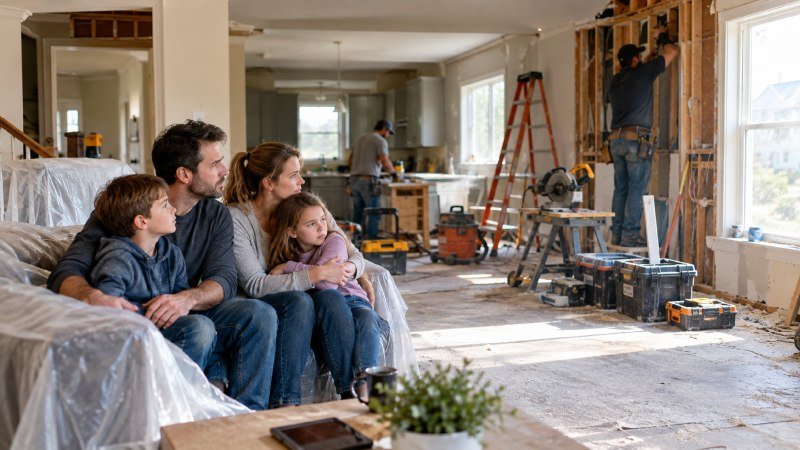
Home renovation projects rarely unfold exactly as planned, and even small delays can create real safety concerns for families living inside an active construction zone. Dust, exposed wiring, and unstable flooring are common byproducts of work that falls behind schedule or strays from the original plan. Parents managing young children or older relatives often find themselves balancing daily routines around scaffolding, power tools, and shifting timelines. What begins as a minor inconvenience can grow into a persistent source of stress for the entire household. Even families who plan carefully for a renovation can find themselves surprised by how quickly a project timeline unravels once unexpected issues appear behind walls or beneath flooring.
The trouble deepens when contractors and homeowners disagree about the quality or safety of completed work. A cracked foundation, uneven framing, or faulty electrical wiring may not be obvious to someone without technical training, yet these issues can pose genuine hazards to anyone living in the home. Disputes over workmanship frequently stall projects for weeks or months, leaving families to live around unfinished rooms and blocked hallways. Without a clear way to evaluate whether the work meets accepted standards, homeowners are often left guessing about their own safety. Insurance companies and municipal inspectors are not always equipped to resolve these disagreements quickly, which leaves families stuck in a holding pattern.
The Approach
When disagreements move beyond simple scheduling conflicts, many families choose to bring in outside expertise to settle the matter. A Utah construction expert witness can examine project records, inspect the physical work, and compare it against local building codes and accepted construction practices. This kind of review often clarifies whether a contractor cut corners, whether materials were substituted without approval, or whether the original design was followed at all. Having a neutral, technically informed opinion tends to move stalled negotiations forward in a way that back-and-forth phone calls rarely accomplish.
The process typically starts with a review of contracts, permits, change orders, and photographs taken throughout the project. From there, a site visit allows the reviewer to physically assess framing, wiring, plumbing, and finish work against the documentation. Interviews with contractors, subcontractors, and homeowners help fill in gaps that paperwork alone cannot explain. By the end of the review, families usually have a written report that lays out specific findings and, when needed, can support legal or insurance proceedings. This documented approach also helps homeowners communicate more effectively with insurers, attorneys, or mediators who may later be involved in resolving the dispute.
What to Look For
While the technical review moves forward, families should not overlook their own health during a prolonged construction dispute. Living amid unfinished work for extended periods can affect air quality, sleep, and general stress levels, particularly for children and older adults. The CDC health and wellness resources include practical guidance on managing indoor air quality, reducing exposure to dust and debris, and recognizing signs of stress related to ongoing household disruption. Pairing that guidance with a technical assessment gives families a more complete picture of both the physical structure and their own wellbeing.
Homeowners evaluating whether to seek outside review should watch for a few consistent warning signs. Persistent disagreements about the scope of work, visible cracks or gaps that appear after supposed repairs, and contractors who avoid providing documentation are all reasons to pause and ask for a second opinion. A qualified reviewer should be willing to explain findings in plain language rather than relying on jargon that leaves homeowners more confused than before. Choosing someone with direct construction experience, rather than only legal or insurance credentials, tends to produce assessments that hold up under scrutiny. Taking notes throughout the process, including dates, conversations, and photographs, also strengthens a homeowner’s position if the matter proceeds further. Families who take these steps early often resolve disputes faster and avoid living with unresolved safety concerns for months on end.