
Movement Is Not a Habit Children Need to Be Taught
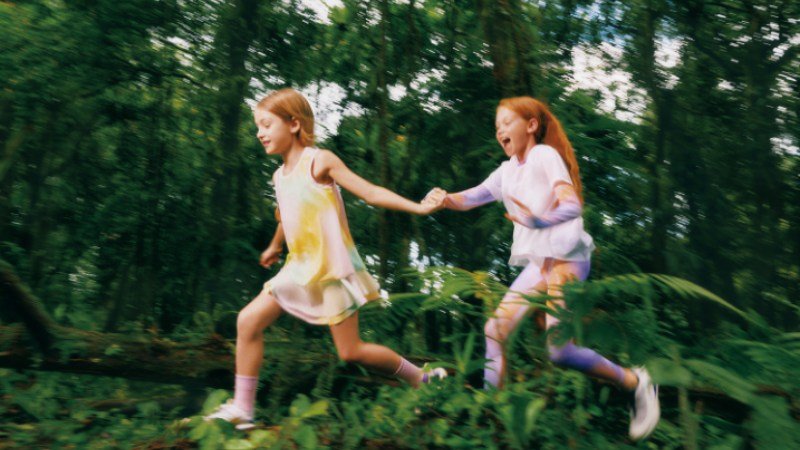
Children do not need to be convinced to move. Watch any group of children in an open space and the evidence is immediate, they run without a destination, climb without a plan, and change direction without warning. The habit that needs building is not movement itself. It is the continuation of movement past the age when school, screens, and structured schedules begin to compete for the hours that used to belong to unorganized outdoor time.
Parents often notice that children are more likely to stay active when movement feels normal, accessible, and enjoyable. The conditions that make movement feel easy are worth understanding, because many of them are within a family’s everyday control.
What Gets in the Way of Kids Staying Active
The barriers to sustained physical activity in children are rarely the obvious ones. Most children are not avoiding movement because they dislike it. They are avoiding it because the conditions around it have become uncomfortable, complicated, or associated with things they would rather not do. The child who loved running at five and has stopped moving much at ten has usually encountered a series of small discouraging experiences rather than one large one.
Clothing can be one of these small barriers, and parents often underestimate how much discomfort affects a child’s willingness to keep moving. A child who overheats during a run, finishes an outdoor session feeling damp, or cannot move freely because a garment restricts the hip or shoulder may start associating activity with discomfort. Better-designed clothing can reduce some of that friction by handling heat, sweat, stretch, and movement more comfortably.
Why Functional Clothing Matters More Than It Looks
Workout-ready kids’ wear is not about making children look like miniature athletes. It is about removing the physical friction that makes sustained activity harder than it needs to be. The shirt that wicks moisture means the child who ran hard at recess is not sitting in a damp layer for the rest of the afternoon. The waistband that sits correctly without requiring adjustment means the child who is mid-climb is not stopping to pull at their clothes. These are small things individually. Across a full day of activity, these details can shape whether movement feels easy or full of small interruptions.
The moodytiger Fairy Printed Skirt is a useful example of what functional design looks like when designers apply it to a piece that a child actually wants to wear. The Brizi® cooling fabric and moisture-wicking technology can help a child feel more comfortable during active outdoor use without the skirt feeling heavy or restrictive. The built-in safety shorts provide secure coverage that can help a child move more freely during climbing, cartwheels, or playground play. When a child does not focus on what her skirt is doing, active play can feel easier and less interrupted.
The Role of Choice in Building Active Habits
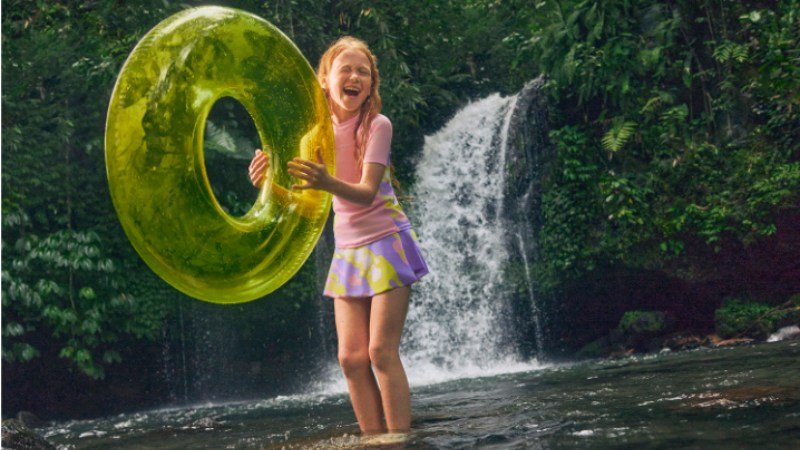
One factor that receives less attention than it deserves in conversations about children’s physical activity is autonomy. Many parents find that children are more willing to join in when they have some choice over how they move, where they move, and what they wear. This is not an argument against structure. It is an argument for leaving room within structure for the child’s own preferences to operate.
Clothing choice is a small but real part of this. A child who chose her own outfit for the park, who picked the color she wanted and the style she preferred, may be more willing to get out the door in it. Many parents recognize this on the mornings when leaving the house depends on whether a child feels comfortable in what she is wearing. The practical solution is a wardrobe that offers real options within a consistent quality standard, with pieces that work for active outdoor use while still giving the child genuine choice.
Building the Conditions for Movement to Stick
The families who successfully build long-term active habits in their children tend to have done a few things consistently. They made movement part of the ordinary day rather than a scheduled event. They kept the barrier to getting outside low, shoes near the door, clothes that are easy to put on, a bag that is already packed. And they paid attention to the small signals that told them when their child was enjoying movement and when they were tolerating it, adjusting accordingly.
moodytiger builds clothing around the same principle: the best activewear removes obstacles rather than creating them. Clearer fabric information can give parents more confidence in how a garment is meant to perform. Construction that supports repeated wear and washing also matters, because families rely on the same pieces week after week.
The Long View on Kids and Physical Activity
Parents do not build a lifelong love of movement in a single afternoon at the park or a single well-chosen season of after-school sport. Instead, they build it through hundreds of small experiences that accumulate into a sense of identity—the child who gradually feels more comfortable joining outdoor play, trying active routines, and moving through the day without small clothing frustrations getting in the way.
The clothing a child wears through these experiences is not the most important factor. But it is one factor parents can influence without a great deal of effort. The shirt that breathes, the skirt that moves, and the jogger that recovers can quietly make active days feel easier to manage. That is the long view: getting the small things right early enough that they stop being things anyone has to think about.