
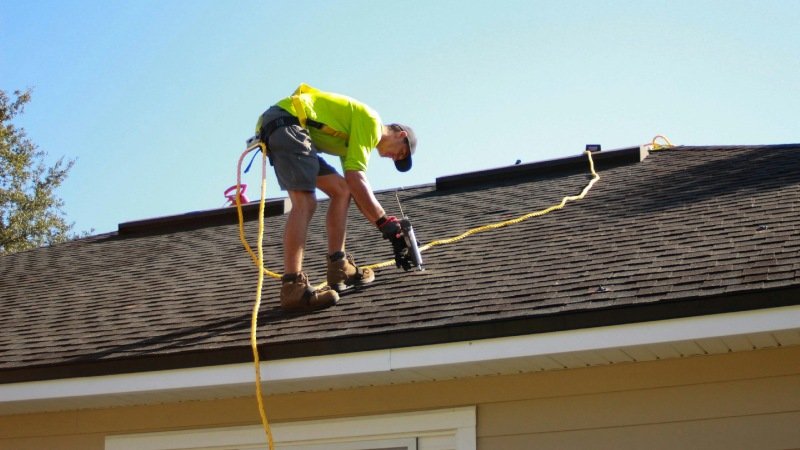
GAF roof shingles are designed to provide dependable protection, attractive curb appeal, and long-term performance. However, even a high-quality shingle cannot compensate for poor installation.
For Hamilton homeowners, replacing a roof is rarely an appropriate do-it-yourself project. It involves much more than removing old shingles and fastening new ones to the roof deck. Proper installation requires accurate measurements, deck preparation, ventilation evaluation, flashing work, leak protection, manufacturer-approved fastening, and compliance with local requirements.
Hiring a professional GAF roof shingles installer in Hamilton Ohio helps protect the roof, the manufacturer’s warranty, and the rest of the home.
Is Installing GAF Roof Shingles a DIY Project?
Installing a few shingles may appear straightforward, but replacing an entire roof is a coordinated construction project.
A complete roofing system can include:
- Roof deck protection
- Leak barriers
- Starter strips
- Field shingles
- Flashing
- Attic ventilation
- Hip and ridge cap shingles
- Properly placed fasteners
- Sealed roof penetrations
GAF publishes detailed installation requirements for its roofing products because every component affects how the completed system performs. Certain enhanced warranty and wind-coverage options also depend on using qualifying GAF accessories and following specific installation requirements.
A DIY installer may understand how an individual shingle is fastened without knowing how the entire roof must manage water, airflow, temperature changes, and wind pressure.
Professional Installation Protects the GAF Roofing System
A roof should function as one connected system rather than a collection of separate materials.
Professional roofers understand how the shingles interact with the underlayment, starter course, flashing, valleys, ventilation, and ridge protection. They also know that different areas of the roof require different installation techniques.
For example, roof edges need properly installed starter strips. Valleys must direct concentrated water flow without allowing moisture beneath the shingles. Plumbing vents, chimneys, skylights, and wall intersections require carefully fitted flashing.
Mistakes in these areas may not be visible immediately. A roof can look complete from the ground while still containing openings that allow water to enter during heavy rain, wind-driven storms, snow, or repeated freeze-and-thaw cycles.
This is particularly important in Southwest Ohio, where homes experience summer heat, winter cold, strong thunderstorms, rain, snow, and sudden temperature changes.
Improper Fastening Can Cause Premature Roof Problems
Fastener placement is one of the most important parts of shingle installation.
Roofing nails must be positioned within the manufacturer’s designated fastening area. They must also be driven to the correct depth. Nails installed too high, too low, too deeply, or at an angle may fail to secure the shingle correctly.
Common DIY fastening errors include:
- Missing the required nailing zone
- Using too few nails
- Overdriving nails through the shingle
- Leaving nails raised above the surface
- Driving nails at an angle
- Failing to adjust fastening methods for roof conditions
GAF Timberline HDZ shingles use a defined nailing area and LayerLock technology designed to support proper fastening and installation. However, those product features still depend on the shingles being installed according to the applicable instructions.
Incorrect fastening can increase the likelihood of lifted, loose, damaged, or missing shingles during high winds.
A Professional Can Identify Damaged Roof Decking
One of the biggest limitations of a DIY roof replacement is the possibility of covering problems rather than correcting them.
After the existing roofing material is removed, the roof deck should be inspected for:
- Rot
- Soft or weakened wood
- Moisture damage
- Sagging
- Delamination
- Loose panels
- Improper previous repairs
- Gaps or inadequate support
Installing new GAF shingles over damaged decking does not restore the structure beneath them. It hides the problem and makes another future repair more difficult.
An experienced roofing contractor can identify compromised decking and explain which areas should be replaced before the new roofing system is installed. This provides a stable, properly prepared surface for the shingles and accessories.
Professional Roofers Understand Flashing and Water Control
Most roof leaks do not begin in the middle of an undisturbed shingle field. They frequently develop near transitions, penetrations, and areas where water changes direction.
These vulnerable locations include:
- Chimneys
- Plumbing vents
- Skylights
- Valleys
- Sidewalls
- Roof-to-wall intersections
- Dormers
- Eaves
- Rakes
- Low-slope sections
Flashing must be layered so water travels over each component and away from the home. Using excessive roofing cement or surface sealant is not a reliable substitute for correctly installed flashing.
Professional roofers understand how water moves across a roof during normal rainfall and wind-driven storms. They can create a continuous drainage path instead of relying on temporary patches that may crack, separate, or conceal improper construction.
Proper Ventilation Is Part of Roof Installation
Attic ventilation is frequently overlooked during DIY roof replacement.
A roofing contractor should evaluate whether intake and exhaust ventilation are reasonably balanced and whether existing vents are functioning correctly. Poor ventilation can contribute to trapped heat and moisture in the attic, potentially affecting roof components, insulation, comfort, and energy performance.
Simply adding more roof vents does not automatically solve a ventilation problem. Exhaust vents must work with adequate intake ventilation, normally located near the lower portion of the roof.
A professional can assess the existing system and recommend improvements that support the roof rather than mixing incompatible ventilation methods.
Professional Installation May Provide Better Warranty Options
GAF offers multiple levels of residential roofing warranty coverage. The available coverage can depend on the products installed, the qualifying accessories used, and the certification level of the contractor completing the work.
GAF states that enhanced limited warranties are available through eligible GAF Certified, Certified Plus, or Master Elite contractors. Certain enhanced options can include broader system or workmanship-related coverage than basic product protection.
Homeowners should review the exact warranty documents and exclusions before choosing a roofing system. They should also ask the contractor:
- Which GAF warranty applies?
- Which accessories are required?
- Is contractor registration required?
- Who registers the warranty?
- What workmanship coverage is included?
- What installation records will the homeowner receive?
A DIY installation may limit access to enhanced coverage that is only available through qualifying contractors.
A Professional Handles Hamilton Permit and Code Requirements
Roofing work must comply with applicable building requirements.
The City of Hamilton provides information for roofing permits and directs residents to its Department of Resident Services for permit and inspection questions. The applicable requirements can vary depending on the project’s scope, structural work, property conditions, and current regulations.
Ohio residential roofing provisions also address roof assemblies, asphalt shingles, underlayment, roof decks, slopes, flashing, and other installation considerations.
A local professional is better positioned to determine which permits or inspections are needed and to complete the project in accordance with current manufacturer instructions and applicable construction requirements.
Homeowners should not assume that replacing shingles in the same color or style eliminates every permit or compliance obligation.
Roofing Safety Requires Training and Equipment
Roof replacement exposes workers to fall hazards, unstable surfaces, sharp tools, heavy materials, changing weather, and extreme roof temperatures.
The risks increase when a home has:
- A steep roof
- Multiple stories
- Several roof levels
- Dormers
- Valleys
- Limited ladder access
- Wet or damaged decking
- Landscaping near access points
- Nearby electrical service lines
Professional roofing crews use equipment and procedures designed for rooftop work. They are also accustomed to moving materials, removing debris, and maintaining stable footing while completing detailed installation tasks.
For an inexperienced homeowner, a single mistake can result in serious injury or property damage. Any potential labor savings should be weighed against that risk.
DIY Installation Can Cost More Than Expected
DIY roofing is often considered a cost-saving option, but the calculation usually focuses only on labor.
A complete project can also require:
- Shingle removal equipment
- Dumpsters or disposal services
- Delivery charges
- Roofing nailers and compressors
- Ladders
- Safety equipment
- Tarps
- Underlayment
- Leak barriers
- Starter shingles
- Ridge cap shingles
- Flashing materials
- Ventilation products
- Replacement decking
- Additional materials for mistakes or shortages
The homeowner must also dedicate substantial time to material handling, installation, cleanup, and correcting unexpected conditions.
If the roof later leaks because of improper flashing, fastening, ventilation, or deck preparation, the cost of removing and reinstalling part of the system can eliminate the original savings.
DIY Versus Professional GAF Shingle Installation
| Consideration | DIY Installation | Professional Installation |
| Safety | Homeowner assumes rooftop risks | Trained crews use professional equipment and procedures |
| Roof assessment | Hidden damage may be missed | Decking, flashing, ventilation, and penetrations are evaluated |
| Installation accuracy | Depends on homeowner experience | Work follows established installation processes |
| Permits and code | Homeowner researches and manages requirements | Local contractor can manage applicable requirements |
| Warranty options | Enhanced coverage may be unavailable | Qualifying contractors may offer enhanced GAF warranties |
| Project duration | May take several days or weekends | Organized crews can complete work more efficiently |
| Cleanup | Homeowner handles debris and disposal | Cleanup and material removal are typically part of the project |
| Workmanship support | Homeowner is responsible for corrections | Established contractors may provide workmanship protection |
How Should Hamilton Homeowners Choose a GAF Roofing Contractor?
Homeowners should evaluate more than the lowest estimate.
A qualified roofing contractor should be prepared to provide:
- Proof of insurance
- A written scope of work
- Specific product names
- Details about underlayment and leak protection
- Ventilation recommendations
- Decking replacement terms
- Cleanup and property-protection procedures
- Warranty information
- A realistic project schedule
- Local references or completed project examples
Homeowners can also verify whether a contractor holds a current GAF certification through GAF’s contractor verification resources.
Avsten Roofing & Construction is one local option serving Hamilton and surrounding Southwest Ohio communities. The company identifies itself as a GAF Preferred Roofing Contractor and provides GAF roof installation, roof inspections, storm restoration, and residential roof replacement services.
Regardless of which company is selected, homeowners should request a detailed assessment and confirm exactly what roofing system, warranty, and workmanship protection are included.
Frequently Asked Questions
Can homeowners install GAF shingles themselves?
Homeowners can purchase and install certain GAF roofing products, but a full replacement requires substantial roofing knowledge, safety equipment, and careful compliance with installation instructions. Professional installation is the safer and more dependable option for most homes.
Does GAF require shingles to be installed by a certified contractor?
Basic warranty coverage and enhanced warranty options are not identical. Certain enhanced GAF warranties are available only through qualifying GAF-certified contractors. Homeowners should review the specific warranty requirements before installation.
Are GAF shingles difficult to install?
The shingles themselves are only one part of the job. Properly preparing the deck, protecting valleys and eaves, installing flashing, maintaining straight courses, fastening accurately, and ventilating the attic require professional-level knowledge.
Does a roof replacement require a permit in Hamilton, Ohio?
The City of Hamilton lists a roofing permit through its permits and registrations resources. Homeowners should confirm the requirements for their specific property and project with the city before work begins.
How long does professional shingle installation take?
The schedule depends on the roof’s size, pitch, complexity, decking condition, and weather. An organized professional crew can generally complete the project much faster than an inexperienced homeowner working independently.
What happens when GAF shingles are installed incorrectly?
Incorrect installation can contribute to leaks, loose shingles, wind damage, poor appearance, premature repairs, and warranty complications. Some problems may not become visible until the roof is exposed to severe weather.
Professional Installation Protects More Than the Shingles
GAF manufactures roofing products designed to work together as a complete system. Getting the expected value from those materials depends heavily on how the roof is inspected, prepared, installed, ventilated, and documented.
For Hamilton homeowners, professional installation provides more than convenience. It reduces safety risks, supports correct water management, helps address hidden roof damage, improves access to warranty options, and provides accountability after the project is complete.
Before attempting a DIY roof replacement, schedule a professional roof inspection and compare the total cost, risk, warranty protection, and long-term value. An experienced Hamilton roofing contractor can explain the condition of the roof and provide honest guidance about the right next step.