
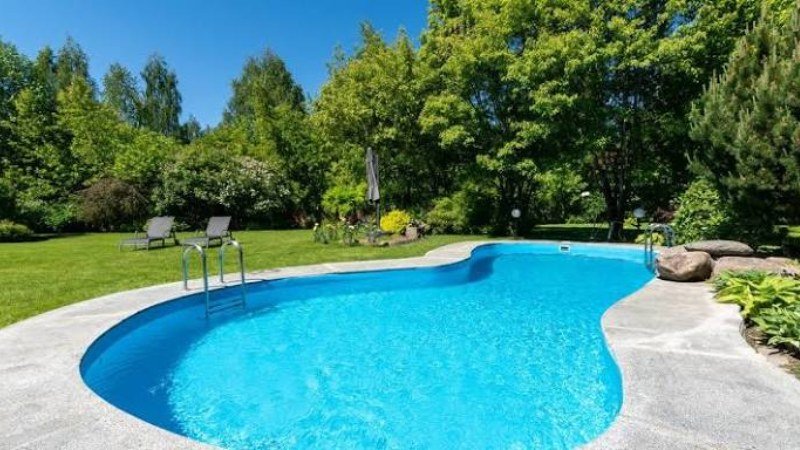
A swimming pool is one of the most valuable features a homeowner can invest in, but like any outdoor structure, it requires regular maintenance to stay in excellent condition. Constant exposure to sunlight, pool chemicals, changing temperatures, and everyday use gradually wears down the interior surface. Over time, cracks, stains, rough textures, and leaks can develop, making your pool less attractive and potentially more expensive to maintain.
This is where pool resurfacing becomes an essential part of long-term pool care. Rather than waiting until severe damage occurs, resurfacing restores the pool’s protective finish, improves its appearance, and helps extend its overall lifespan. Whether you own a residential backyard pool or manage a commercial swimming facility, resurfacing can save you significant repair costs while keeping your pool safe and enjoyable for years.
What Is Pool Resurfacing?
Pool resurfacing is the process of removing or repairing the worn interior finish of a swimming pool and applying a brand-new surface. The new finish creates a protective barrier that shields the pool’s structural shell from water damage, chemical exposure, and everyday wear.
Depending on your pool type and budget, resurfacing materials may include:
- Traditional plaster
- Quartz aggregate finishes
- Pebble finishes
- Polished aggregate surfaces
- Fiberglass gel coatings (for fiberglass pools)
Each material offers different levels of durability, texture, maintenance requirements, and visual appeal.
Why Pool Surfaces Wear Out Over Time
Even the highest-quality swimming pools are constantly exposed to conditions that slowly break down their interior finish.
Common causes of surface deterioration include:
Continuous Chemical Exposure
Pool sanitizers and balancing chemicals are necessary for clean water, but years of exposure gradually weaken the surface finish.
UV Rays and Weather
Sunlight, heavy rain, freezing temperatures in colder climates, and seasonal weather changes contribute to fading and surface deterioration.
Normal Wear and Tear
Daily swimming, pool cleaning equipment, toys, furniture movement, and constant water circulation slowly wear away protective coatings.
Poor Water Balance
Improper pH, calcium hardness, or alkalinity levels can cause etching, scaling, discoloration, and premature surface damage.
How Pool Resurfacing Extends Pool Life
Protects the Pool Structure
The interior finish acts as the first line of defense between pool water and the concrete or gunite shell underneath. Once the finish begins to crack or erode, water can penetrate deeper into the structure.
Pool resurfacing restores this protective layer, helping prevent costly structural damage that may require major reconstruction.
Prevents Leaks Before They Worsen
Small cracks often begin as cosmetic issues but may eventually allow water to escape. Even minor leaks can waste thousands of gallons of water annually while increasing utility costs.
Resurfacing seals vulnerable areas before they develop into larger structural problems.
Reduces Long-Term Repair Costs
Ignoring worn pool surfaces usually leads to more expensive repairs later.
For example:
- Small surface cracks can become structural cracks.
- Minor stains may hide deeper surface deterioration.
- Rough plaster can continue breaking apart and expose the underlying shell.
Scheduling resurfacing at the right time often costs significantly less than extensive structural restoration.
Improves Water Efficiency
Pools with damaged surfaces may lose water through tiny cracks or porous areas.
A properly resurfaced pool helps retain water more efficiently, reducing unnecessary water loss and lowering refill costs throughout the swimming season.
Signs Your Pool Needs Resurfacing
Many homeowners wait until damage becomes severe before taking action. Recognizing early warning signs can help avoid larger repairs.
Watch for these common indicators:
- Rough or abrasive surfaces
- Visible cracks
- Flaking or peeling plaster
- Stubborn stains that won’t disappear
- Frequent water loss
- Surface discoloration
- Exposed aggregate
- Difficult-to-maintain water chemistry
If your pool is showing several of these symptoms, it may be time to schedule a professional inspection.
Better Protection Against Chemical Damage
Fresh pool finishes create a smoother, less porous surface that resists chemical absorption more effectively.
This offers several benefits:
- Easier water balancing
- Reduced algae buildup
- Less calcium scaling
- Improved sanitation
- Lower chemical consumption over time
Many modern resurfacing materials are specifically engineered to withstand years of chemical exposure while maintaining their appearance.
Improves Safety for Swimmers
Older pool finishes often become rough, chipped, or uneven.
These damaged surfaces can:
- Scratch feet
- Cause minor cuts
- Increase slip hazards around damaged steps
- Create uncomfortable swimming conditions
Resurfacing restores a smooth, consistent finish that is safer for both children and adults.
Gives Your Pool a Fresh, Modern Appearance
While extending pool life is the primary goal, many homeowners choose pool resurfacing because of the dramatic visual improvement.
Today’s resurfacing options offer:
- Bright white finishes
- Natural lagoon-inspired colors
- Deep blue water effects
- Pebble textures
- Modern quartz finishes
- Luxury resort-style appearances
A resurfaced pool can completely transform an aging backyard into an inviting outdoor retreat.
Increases Property Value
A well-maintained swimming pool is often viewed as a valuable feature by prospective buyers.
A pool with cracked plaster, stains, or visible wear can create concerns about future maintenance expenses.
Recently resurfaced pools demonstrate that the owner has invested in proper upkeep, making the property more attractive and potentially increasing resale value.
How Often Should Pool Resurfacing Be Done?
The lifespan of a pool finish depends on several factors, including material quality, climate, maintenance habits, and water chemistry.
Typical resurfacing timelines include:
| Pool Finish | Average Lifespan |
| Standard Plaster | 7–10 years |
| Quartz Finish | 10–15 years |
| Pebble Finish | 15–20 years |
| Fiberglass Gel Coat | 15–25 years |
Regular inspections and proper maintenance can help maximize the lifespan of each surface.
Tips to Make Your New Pool Surface Last Longer
After resurfacing, following a few maintenance practices can significantly extend the life of your investment.
- Maintain balanced water chemistry year-round.
- Brush pool surfaces regularly.
- Remove debris before stains develop.
- Repair small cracks promptly.
- Use recommended cleaning equipment.
- Schedule annual professional pool inspections.
- Avoid draining the pool unless advised by a professional.
Consistent maintenance helps preserve both the appearance and durability of the resurfaced finish.
Conclusion
Pool resurfacing is one of the smartest investments you can make to protect your swimming pool and extend its lifespan. By restoring the interior surface before significant deterioration occurs, you can prevent structural damage, reduce maintenance costs, improve swimmer safety, and keep your pool looking beautiful for years.
Whether your pool is beginning to show signs of age or you’re planning preventative maintenance, resurfacing provides long-term value that far outweighs the cost of delaying repairs. With the right materials, proper installation, and routine maintenance, your pool can continue delivering enjoyment, efficiency, and lasting performance for decades.