Homeowners today expect more from their indoor environments than ever before. Comfort is no longer just about staying warm in winter or cool during summer. It is about energy efficiency, indoor air quality, lower utility bills, and dependable system performance throughout the year. As weather patterns become less predictable and energy costs continue to rise, heating and cooling systems are taking on a much larger role in everyday home management.
At the same time, many homeowners struggle to identify trustworthy service providers who understand both traditional HVAC systems and newer energy-efficient technologies. Searching for reliable heating and cooling near me often becomes the first step toward improving comfort, reducing maintenance issues, and protecting long-term property value. Professional HVAC expertise is becoming essential for homeowners who want efficient systems that perform consistently in every season.
The Growing Importance of Energy-Efficient HVAC Systems
Energy efficiency has become one of the biggest priorities in residential heating and cooling. Older HVAC systems often consume excessive energy while delivering inconsistent temperature control. Modern systems, however, are designed to operate more efficiently through advanced compressors, smart thermostats, and zoning capabilities.
Many homeowners are upgrading equipment not only to improve comfort but also to lower monthly utility costs. High-efficiency systems can significantly reduce energy waste while maintaining stable indoor temperatures. In regions that experience extreme seasonal changes, this difference becomes even more noticeable over time.
Another important factor is environmental responsibility. Consumers are increasingly interested in reducing their carbon footprint, and HVAC efficiency plays a major role in overall household energy consumption. New technologies allow homeowners to balance sustainability goals with reliable performance, making HVAC upgrades a practical long-term investment rather than simply a repair expense.
Preventive Maintenance Reduces Long-Term Costs
One of the most overlooked aspects of HVAC ownership is regular preventive maintenance. Many homeowners only contact professionals when a system stops working entirely, but this reactive approach often leads to higher repair costs and shorter equipment lifespan.
Routine inspections help identify small issues before they develop into expensive failures. Dirty filters, worn components, refrigerant imbalances, and airflow restrictions can all reduce system efficiency over time. Without proper maintenance, these problems place additional strain on the equipment, increasing energy use and accelerating wear.
Professional servicing also improves system reliability during peak seasons when heating and cooling demand is highest. A properly maintained HVAC system is less likely to fail during extreme temperatures, which helps homeowners avoid emergency repair situations.
In addition, preventive care supports healthier indoor air quality. Clean ductwork, properly functioning ventilation, and effective filtration systems contribute to a safer and more comfortable living environment for families year-round.
Smart Home Technology Is Reshaping HVAC Performance
The rise of smart home technology has transformed the way homeowners manage indoor comfort. Modern HVAC systems now integrate with smart thermostats, mobile applications, and automated climate controls that allow users to monitor and adjust settings remotely.
These technologies improve both convenience and efficiency. Homeowners can create customized schedules based on occupancy patterns, reducing unnecessary energy consumption when rooms are unoccupied. Smart systems can also provide performance alerts and maintenance reminders, helping prevent larger operational problems.
Another advantage is improved temperature consistency throughout the home. Advanced zoning systems allow different areas of a property to maintain separate temperature settings, which increases comfort while optimizing energy use.
As smart home adoption continues to grow across the United States, HVAC professionals are increasingly expected to understand digital integrations alongside traditional heating and cooling expertise. This shift highlights the importance of working with experienced providers who stay current with evolving industry technologies and installation standards.
Indoor Air Quality Has Become a Major Home Concern
Indoor air quality is now a critical part of residential comfort discussions. Homeowners are paying closer attention to allergens, dust, humidity control, and airborne contaminants that affect overall health and wellness.
Heating and cooling systems directly influence indoor air quality through filtration, ventilation, and humidity management. Poorly maintained systems can circulate pollutants throughout a home, while properly designed HVAC solutions help create cleaner and healthier indoor environments.
Modern systems often include advanced filtration technologies, air purification features, and humidity controls that improve comfort beyond simple temperature regulation. These features are especially valuable for households with allergies, asthma, or respiratory sensitivities.
The increased amount of time people spend indoors has also heightened awareness of ventilation quality. Proper airflow and balanced humidity levels contribute to healthier living spaces and better long-term comfort. As a result, HVAC professionals now play an important role in supporting both home efficiency and occupant well-being.
Choosing Professional Expertise Makes a Difference
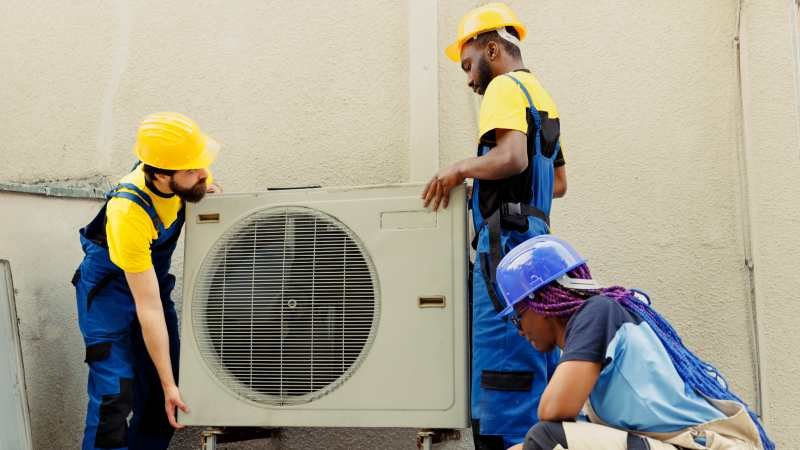
Not all HVAC services deliver the same level of quality or long-term value. Professional expertise matters because heating and cooling systems involve complex mechanical, electrical, and airflow components that must work together efficiently.
Experienced technicians understand how to evaluate system performance, recommend appropriate upgrades, and ensure installations meet modern efficiency standards. Proper sizing, installation quality, and ongoing maintenance all directly impact how effectively a system performs over time.
Homeowners also benefit from working with companies that prioritize transparent communication and customized solutions. Every property has unique heating and cooling needs based on size, insulation, climate conditions, and occupancy patterns. A knowledgeable HVAC provider can identify the right solutions instead of relying on one-size-fits-all recommendations.
As HVAC technology continues evolving, professional guidance becomes even more valuable. Systems are becoming smarter, more efficient, and more integrated with home automation tools, requiring specialized knowledge to maximize performance and reliability.
Conclusion
Heating and cooling systems are no longer viewed as simple household utilities. They have become essential components of energy management, indoor air quality, and overall home comfort. As efficiency standards rise and smart technologies become more common, homeowners increasingly rely on professional HVAC expertise to keep systems operating at peak performance.
From preventive maintenance to advanced system upgrades, investing in reliable HVAC service provides long-term benefits that extend beyond immediate comfort. Lower energy costs, healthier indoor environments, and improved equipment lifespan all contribute to stronger property value and better everyday living conditions.
Looking ahead, the HVAC industry will continue evolving through smarter technologies, improved efficiency standards, and greater focus on sustainability. Homeowners who stay proactive with professional heating and cooling support will be better prepared to maintain comfortable, efficient, and future-ready homes for years to come.