
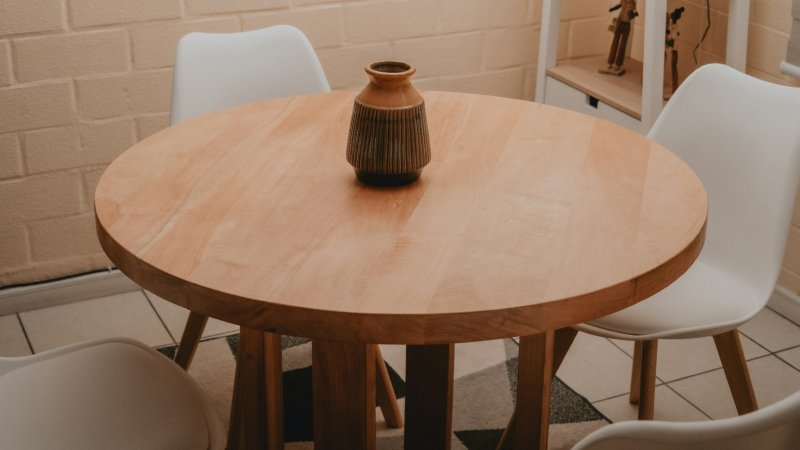
The dining table often serves as more than a place to eat. It might be a workspace, a storage spot, a homework station, and a gathering area throughout the day. Because it sits at the center of many of our day-to-day activities, the appearance of the table can influence how the whole home feels.
The Table Often Attracts Clutter
Tables are convenient places to set things down. Mail, keys, shopping bags, school papers, and seemingly random household items often land there because the surface is easy to access. These small additions can build up and create visual noise.
When a table is covered with unrelated items, it can make a room feel busier than it actually is. Even if the rest of the space is reasonably tidy, a crowded tabletop tends to draw attention. Since people frequently walk past or use the table, the clutter remains visible throughout the day.
Visual Simplicity Affects Mood
We process visual information constantly. A space filled with many objects can compete for attention, even when those objects are familiar. This doesn’t mean clutter automatically causes stress, but it can create a sense that there is always something waiting to be handled.
A cleaner table can offer a kind of visual “break”. Seeing an open surface may make a room feel more spacious and settled. For some people, that simple change encourages a sense of order and comfort at home. A cleared table will not solve every source of stress, but it may remove one distraction from daily life.
Creating A More Welcoming Gathering Space
Tables often bring people together for meals, conversations, games, and celebrations. When the surface is filled with paperwork or miscellaneous items, it may feel less inviting.
An uncluttered table can make it easier for family members to sit down and connect. There is no need to move stacks of items before eating dinner or enjoying a cup of coffee. The space is ready when needed.
Some households find that keeping the table mostly clear encourages more spontaneous interactions. A welcoming surface can support everyday moments that might otherwise be postponed.
Decorating Without Creating Clutter
A calm table doesn’t have to be completely empty. Thoughtful decorative elements can add warmth and personality while maintaining a clean appearance.
Sometimes minimalistic table decoration is best. By focusing on a few intentional pieces rather than many decorative objects, you can keep the table attractive and reduce distractions. Many homeowners choose a simple centerpiece, a small vase, or a few carefully selected accents. The aim is to create visual interest without overwhelming the space.
Habits That Keep Surfaces Clear
A few daily habits can prevent items from accumulating. Sorting mail immediately, returning objects to their designated places, and spending a few minutes clearing the table at the end of the day can make a noticeable difference. Storage solutions near the entryway or kitchen may also help reduce the temptation to use the table as a catch-all surface.
Consistency matters more than perfection. A table that occasionally collects a few items is normal, but it’s often preferable to avoid letting clutter really add up.
A Calmer Home Starts With Small Changes
Some people are comfortable with a busier environment; others feel more relaxed when there’s less clutter. Still, the dining table is one area where a small adjustment can have a meaningful impact.
Reducing clutter on the table creates a cleaner focal point, supports daily activities, and can make shared spaces feel more inviting. While it’s only one part of a home, a tidier table often helps create a calmer atmosphere that extends throughout the room.