
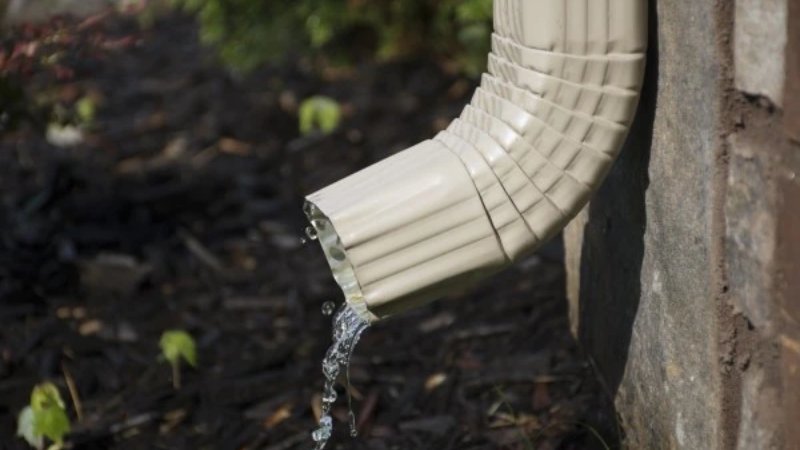
Gutters work quietly in the background, helping protect your property by directing rainwater away from the home. However, because they typically carry on unnoticed, many homeowners don’t realize there’s a problem until visible damage begins to appear. Fortunately, gutter systems often provide warning signs before a complete failure occurs, so learning to recognize these indicators can help homeowners address issues early and avoid more expensive repairs later on.
Gutters Should Handle Rain Efficiently
A properly functioning gutter system should collect water from the roof, channel it through the gutters, and empty it safely away from the home through downspouts. When any part of this process is disrupted, it may mean the system is starting to fail. Even small performance issues can indicate larger underlying problems.
Overflow During Rainfall
One of the most obvious signs of gutter failure is water spilling over the edges during a storm, which can occur because of:
- Clogged gutters
- Blocked downspouts
- Improper gutter slope
- Undersized drainage systems
- Debris accumulation
While occasional spillage during an unusually severe storm isn’t uncommon, repeated overflow during normal rainfall should not be ignored.
Visible Sagging or Separation
Gutters should remain securely attached and aligned along the roofline, so pay attention to:
- Sections pulling away from the house
- Noticeable sagging
- Bent gutters
- Loose fasteners
- Uneven gutter lines
These issues often develop due to aging materials or when gutters become overloaded with debris and water and are unable to support the excess weight.
Cracks, Rust, and Leaks
Deterioration can significantly reduce gutter performance, and although small cracks and leaks may seem minor at first, they usually worsen with time. Homeowners should look for:
- Rust spots
- Corrosion
- Visible cracks
- Water dripping from seams
- Holes in gutters
Any opening, no matter how small, that allows water to escape can contribute to moisture damage elsewhere on the property.
Damage on the Home’s Exterior
Sometimes the evidence of gutter failure appears beyond the gutter itself. Water escaping from the system may affect surrounding materials, leading to:
- Peeling or bubbling paint
- Water stains on siding
- Mold growth
- Rotting fascia
- Discoloration near roof edges
These are all indicators that suggest water is no longer properly controlled.
Foundation and Landscaping Changes
The ground surrounding a home can also reveal a lot about gutter performance. Water that is not being safely diverted away often leaves clues at ground level, including:
- Puddling at the foundation
- Soil erosion
- Washed-out mulch
- Standing water
- Damaged plants, shrubs, and flower beds
- Retaining wall, walkway, and patio deterioration
These conditions may be a sign that runoff is not reaching its intended drainage destination.
Recognizing Problems Before They Escalate
Many gutter failures can be identified long before major damage occurs. Conducting routine inspections during the spring, fall, and after severe storms helps homeowners spot developing problems earlier.
Overflowing water, sagging sections, leaks, exterior staining, and drainage problems all signal that your gutter system may need some attention. By watching for these indicators and addressing them promptly, homeowners can protect their entire property from avoidable water damage.