
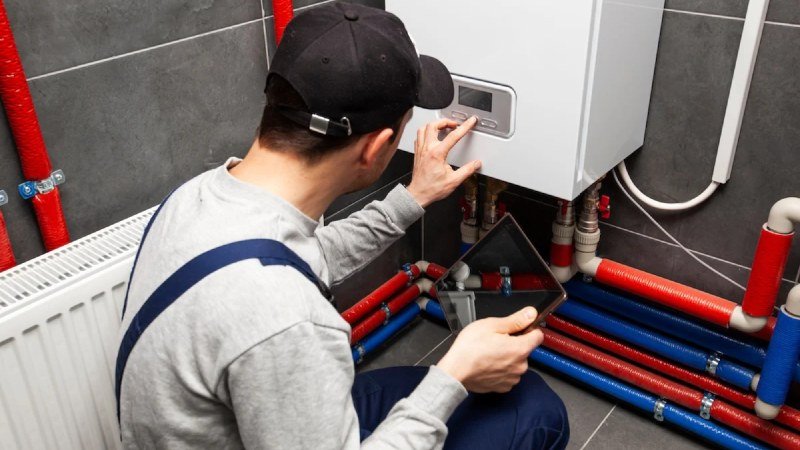
Homes with long pipe runs often experience frustrating hot-water delays that affect everyday routines, from showers to dishwashing. Even when the water heater itself is working, the distance between the unit and the fixture can slow delivery and make the home feel less efficient. Long plumbing paths can also lead to more heat loss before hot water reaches the tap. Water heater installation matters because the way a system is placed, sized, and connected can influence how well hot water moves through those longer lines. Thoughtful installation helps turn distance from a constant inconvenience into a more manageable part of daily life.
What Better Flow Depends On
Installation Location Affects How Quickly Hot Water Reaches the Tap
In homes with long pipe runs, one of the biggest factors behind slow hot water flow is the distance water must travel before it reaches the point of use. A water heater that is installed far from bathrooms, kitchens, or laundry areas may still produce enough hot water, but people often wait longer because cooled water already sitting in the lines has to clear first. That is why Water Heater Installation can play such a major role in comfort. The installation process is not only about placing a new unit where the old one stood. It can also involve reviewing whether the heater’s location supports the way the house is actually used. In larger homes, fixture placement and daily traffic patterns matter because one end of the house may regularly experience much longer wait times than the other. A better installation plan can reduce those delays by enabling more efficient routing, smarter placement, and a setup that aligns more closely with where hot water is needed most. That kind of planning helps the system feel more responsive instead of simply functional.
Pipe Length and Water Volume Can Make Delays Feel Worse Than Expected
Long pipe runs do more than add a few extra seconds to the wait. They often increase the amount of cooled water sitting in the plumbing between uses, which means a larger volume must pass through before warm water appears at the faucet or showerhead. In a home with distant bathrooms or an extended layout, that delay can feel especially frustrating during busy mornings when several people need hot water in different areas of the house. Water heater installation helps improve flow because a properly planned setup accounts for those distances rather than treating the home as a smaller layout with simpler plumbing paths. If the installation ignores the water already resting in long lines, homeowners may end up with a system that technically works but still feels slow and wasteful in everyday use. By considering how much pipe volume the heater serves, installers can design the system to improve response time and reduce the feeling that the system constantly falls behind normal household needs.
System Design Can Support Better Circulation in Hard-to-Reach Areas
When a home has long pipe runs, good hot water performance depends on more than just the heater. It also depends on how the overall plumbing system supports circulation, delivery, and recovery during repeated use. Water heater installation matters because it allows building the heater into a more effective system rather than simply replacing one tank with another.In some homes, homeowners can improve performance by coordinating the heater with a recirculation approach, reviewing supply line routes, or adjusting the system to better serve distant fixtures that regularly experience delays. Long pipe runs often create uneven comfort, as one sink may receive hot water quickly while another room waits much longer. Proper installation planning helps reduce this imbalance by identifying where the home loses convenience and improving the areas where the system needs to become more responsive. This kind of design thinking is important because hot water flow is not just about the heater turning on. It is about how heated water moves through the house with as little waste of time and energy as possible.
Proper Sizing Helps the Heater Keep Up With Distance and Demand
A water heater in a home with long pipe runs has to do more than warm water. It also has to support the added travel time and the everyday demand created by multiple fixtures. If the heater is undersized for the household or for the length of the plumbing system, hot water may arrive slowly and seem to run out more quickly once it finally gets there. That is why installation matters. The chosen unit needs to match not only the family size but also the home’s layout and its impact on delivery. A properly sized system helps because it is better able to recover after showers, laundry, and dishwashing, while still supporting fixtures farther away.In larger homes or multilevel houses, choosing the wrong size can make delays feel even more noticeable because the system struggles to maintain a steady hot water supply when people use hot water in multiple places.Sizing decisions made during installation can improve the overall experience by giving the heater a more realistic match to how the home actually consumes and delivers heated water.
Heat Loss Along the Line Can Be Reduced Through Smarter Installation Choices
Long pipe runs not only delay hot water. They can also allow heat to drop along the way, especially if the plumbing passes through cooler areas such as crawl spaces, garages, exterior walls, or unfinished basements. By the time the water reaches the fixture, it may be less warm than expected or may take longer to stabilize at a comfortable temperature. Water heater installation supports better hot water flow by considering the entire travel path, not just the heater itself. Installers can choose how to arrange the connections, integrate the system with insulation around supply lines, and position the heater near the most frequently used fixtures. These details matter because the longer hot water travels through exposed or poorly protected lines, the more likely the home is to lose both time and usable heat. Better installation helps reduce that loss, making the system feel more consistent and allowing fixtures at the far end of the house to receive water closer to the temperature people expected in the first place.
Better Flow Begins With Better Planning
Water heater installation helps improve hot water flow in homes with long pipe runs by considering the relationship among distance, pipe volume, system design, and everyday demand. A heater may produce hot water, but installation determines how effectively that hot water reaches the parts of the home that need it most. Placement, sizing, circulation support, and line protection all influence how long people wait and how consistent the experience feels once water arrives. In larger homes, those details matter every day.When installers plan the system with long pipe runs in mind, they create a setup that makes the home feel more responsive, more efficient, and easier to live with.