
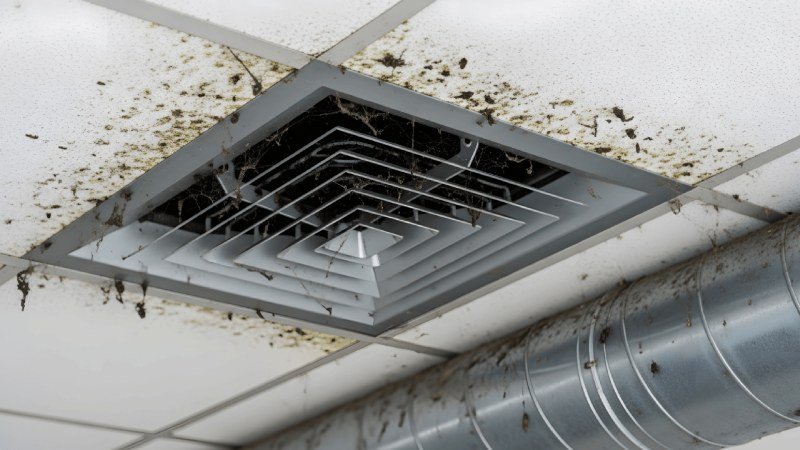
Mold growth inside ductwork is a hidden issue that can affect indoor air quality, system efficiency, and overall comfort within a home or commercial building. Since ducts distribute air throughout a property, the presence of mold can allow spores to circulate from room to room, creating unpleasant odors and contributing to respiratory irritation for occupants. Moisture, dust accumulation, poor airflow, and temperature fluctuations often create favorable conditions for mold development inside air distribution systems.
Preventing this problem requires more than surface cleaning; it involves identifying moisture sources and correcting conditions that encourage fungal growth before contamination spreads through the HVAC network.
Keeping Duct Systems Healthy
Understanding Why Mold Develops Inside Ductwork
Mold requires three primary elements to thrive: moisture, organic material, and a suitable environment. HVAC ductwork can unintentionally provide all three when condensation forms inside air passages and combines with dust particles that accumulate over time. In humid climates or in buildings with inadequate insulation, cool air traveling through ducts may condense when it comes into contact with warmer surrounding surfaces. This moisture can remain trapped in dark sections of the system, allowing mold colonies to begin developing unnoticed. The problem often becomes more significant when air filters are not changed regularly, allowing more debris to enter the ductwork.
Once mold begins to grow, spores can spread through the air and settle in other areas of the system. Understanding these conditions is important because effective prevention focuses on eliminating the environmental factors that support mold rather than simply removing visible contamination after it appears.
Detecting Moisture Problems Before Mold Forms
One of the most important responsibilities in maintaining a healthy HVAC system is identifying moisture-related issues before mold can establish itself. Small water leaks, excessive humidity, blocked drainage components, and poorly sealed duct connections can introduce moisture into the system without obvious signs. During inspections, technicians evaluate areas where condensation is likely to occur and examine components that may contribute to unwanted moisture accumulation. A thorough assessment often includes checking evaporator coils, condensate drain lines, insulation quality, and airflow performance throughout the duct network. An experienced HVAC contractor can identify hidden moisture sources that might otherwise go unnoticed until mold becomes widespread in the duct system.
Addressing these issues early can significantly reduce the risk of contamination and help the entire heating and cooling system operate more efficiently. Early intervention also minimizes the need for extensive cleaning procedures and helps preserve indoor air quality throughout the property.
Improving Ventilation and Airflow Throughout the System
Proper airflow plays a major role in preventing mold growth because stagnant air can create conditions that allow moisture to linger inside ductwork. When airflow is restricted by clogged filters, blocked vents, damaged ducts, or improperly balanced systems, certain sections may remain damp for extended periods. These areas become vulnerable to microbial growth because moisture does not evaporate efficiently. HVAC professionals often evaluate airflow distribution to ensure air moves consistently throughout the system. Adjustments may include repairing damaged duct sections, sealing leaks, cleaning obstructions, and improving overall system balance.
Enhanced airflow not only supports mold prevention but also improves temperature consistency and energy performance. When air circulates effectively, surfaces within the duct system are less likely to remain wet, reducing opportunities for mold spores to establish colonies. Consistent airflow management serves as a proactive measure that protects both the HVAC equipment and the indoor environment.
Maintaining Drainage Components and Condensation Control
Condensation is a natural byproduct of many air conditioning systems, making proper drainage management essential for mold prevention. Cooling equipment removes moisture from indoor air, and this water must be directed safely away from the system. If drain lines become clogged or condensate pans develop cracks, water can accumulate near ductwork and other HVAC components. Over time, this standing moisture can contribute to mold development and structural deterioration. Routine maintenance includes inspecting drainage systems for blockages, cleaning drain lines, verifying proper water flow, and ensuring condensate pans remain in good condition.
Technicians also evaluate insulation surrounding ducts and cooling components to reduce unwanted condensation. Effective moisture management prevents water from remaining in areas where mold can grow. By controlling condensation and maintaining reliable drainage pathways, HVAC systems remain cleaner and less susceptible to microbial contamination that could compromise indoor air quality.
Cleaning and Maintaining Ductwork to Reduce Contaminants
Dust, dirt, pollen, and organic debris often collect inside duct systems over time. While these materials may seem harmless, they provide a food source for mold when moisture becomes present. Regular duct maintenance helps minimize this risk by reducing the accumulation of particles that can support fungal growth. Cleaning procedures focus on removing debris from interior duct surfaces and other system components where contaminants tend to gather. In addition to cleaning, technicians inspect ducts for damage, disconnected sections, and potential entry points for outside contaminants.
Maintaining clean ductwork supports healthier airflow and reduces the likelihood that mold spores will find favorable conditions for growth. Clean systems also improve HVAC performance because airflow encounters fewer obstructions. By reducing contaminant buildup and addressing potential entry points for moisture and debris, preventive maintenance creates an environment less conducive to mold growth.
Managing Indoor Humidity Levels for Long-Term Protection
Humidity control is one of the most effective methods for preventing mold growth inside ductwork. Even when ducts are clean and properly maintained, excessive indoor humidity can increase the likelihood of condensation forming within the HVAC system. High moisture levels often result from inadequate ventilation, oversized equipment, poor building insulation, or environmental conditions. HVAC professionals evaluate humidity levels and recommend adjustments that help maintain balanced indoor conditions. Solutions may involve improving ventilation, calibrating system settings, installing dehumidification equipment, or correcting airflow issues that contribute to moisture retention.
Maintaining appropriate humidity levels protects not only ductwork but also walls, ceilings, furnishings, and other building materials susceptible to mold growth. Consistent humidity management creates a healthier indoor environment while reducing strain on HVAC equipment. Long-term moisture control remains one of the most reliable strategies for preventing mold-related issues before they affect occupants or require costly remediation efforts.
Preventing mold growth inside ductwork requires a combination of moisture control, airflow management, routine maintenance, and early detection of issues as they develop. Mold often forms when condensation, dust accumulation, and inadequate ventilation create favorable conditions within the HVAC system. Through regular inspections, cleaning, drainage maintenance, and humidity control, potential problems can be identified and corrected before contamination spreads. Proper attention to these factors helps maintain healthier indoor air quality while supporting efficient system operation.
By focusing on prevention rather than remediation, property owners can reduce the risk of mold-related damage, improve comfort, and extend the lifespan of their HVAC equipment for years to come.