
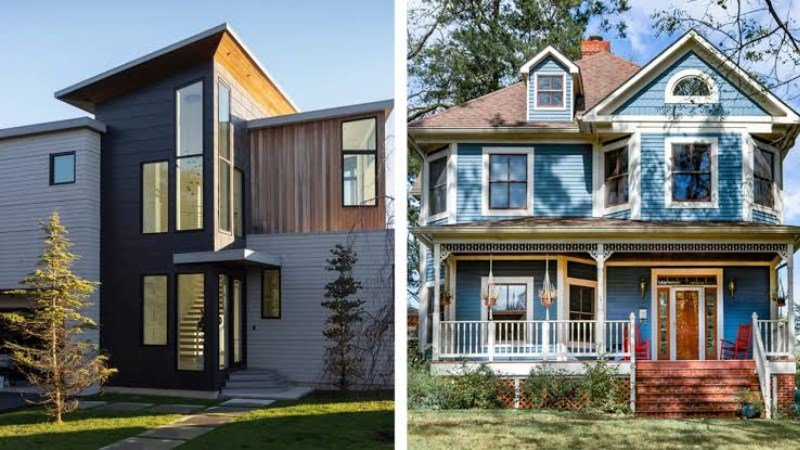
For many homebuyers, one of the biggest decisions is whether to purchase an existing home or build a new one. In a desirable market like Chapel Hill, North Carolina, older homes often come with character, established neighborhoods, and mature landscaping. However, those appealing features can also come with hidden maintenance costs, outdated systems, and expensive renovation projects.
Working with a Chapel Hill home builder offers a different financial path—one that may reduce long-term ownership costs while allowing homeowners to invest in a property designed for today’s lifestyles and efficiency standards.
Here’s a closer look at why building new can often make stronger financial sense than purchasing an older home.
Older Homes Often Come With Unexpected Costs
The purchase price of an older home is only part of the overall investment. Many homes built decades ago require updates that may not be immediately visible during a walkthrough.
Common expenses homeowners encounter include:
- Roof replacement
- HVAC system upgrades
- Plumbing repairs
- Electrical modernization
- Foundation repairs
- Window replacement
- Water intrusion mitigation
- Kitchen remodeling
- Bathroom renovations
Even after a professional inspection, some issues remain hidden until after closing. These unexpected repairs can quickly increase the true cost of ownership during the first several years.
Building a new home significantly reduces the likelihood of facing these major replacement expenses shortly after moving in.
Predictable Construction Costs Make Budgeting Easier
One of the biggest financial advantages of working with a Chapel Hill home builder is cost predictability.
During the planning process, homeowners typically establish:
- Construction budgets
- Material selections
- Upgrade allowances
- Site preparation costs
- Financing expectations
Rather than purchasing an existing home and gradually uncovering additional expenses, new construction allows buyers to understand where their investment is going before the project begins.
While custom upgrades can increase the final price, those decisions are generally made intentionally rather than out of necessity.
Lower Maintenance Expenses During the First Several Years
New homes feature brand-new systems throughout the property.
This includes:
- Roofing
- Plumbing
- Electrical wiring
- HVAC equipment
- Appliances
- Flooring
- Insulation
- Windows
- Exterior finishes
Because these components are new, homeowners typically spend significantly less on repairs during the early years of ownership.
Instead of replacing aging mechanical systems, owners can often allocate those funds toward landscaping, furnishings, savings, or future investments.
Better Energy Efficiency Reduces Monthly Utility Bills
Modern building practices have changed dramatically over the past several decades.
Today’s homes often include:
- High-performance insulation
- Energy-efficient windows
- Advanced HVAC systems
- Improved air sealing
- Smart thermostats
- LED lighting
- Energy-efficient appliances
These improvements can reduce heating and cooling costs compared to many older homes that were built under previous energy standards.
Over many years of ownership, lower monthly utility expenses can represent substantial savings.
Fewer Remodeling Projects After Move-In
Many buyers purchase older homes knowing they eventually want to renovate.
Common renovation projects include:
- Kitchen updates
- Bathroom remodels
- Floor plan modifications
- Flooring replacement
- Interior painting
- Lighting upgrades
- Exterior improvements
Each project requires additional budgeting, contractor scheduling, and temporary disruption to daily life.
A newly built home allows homeowners to select layouts, finishes, cabinetry, flooring, countertops, and fixtures before construction begins, minimizing the need for expensive remodeling shortly after moving in.
Modern Floor Plans Can Improve Long-Term Value
Homebuyer preferences continue to evolve.
Many new homes incorporate features such as:
- Open-concept living spaces
- Larger kitchens
- Dedicated home offices
- Flexible bonus rooms
- Spacious owner’s suites
- Walk-in pantries
- Energy-efficient designs
- Outdoor living areas
These layouts often align more closely with today’s buyer expectations than homes built several decades ago.
While future resale values depend on many market factors, homes designed around current lifestyle preferences may remain competitive as buyer demand changes.
Warranty Protection Offers Additional Financial Security
One benefit unique to new construction is warranty coverage.
Depending on the builder and manufacturer, homeowners may receive warranties covering various components of the home, including structural elements, mechanical systems, and installed products.
These warranties can help reduce repair costs during the initial years of ownership compared to older homes, where major systems may already be beyond their expected service life.
Understanding the scope and duration of warranty coverage is an important part of evaluating any new construction project.
Financing Renovations Can Become Expensive
Purchasing an older home often means financing additional improvements separately.
Homeowners may rely on:
- Home equity loans
- Personal loans
- Credit cards
- Construction financing
- Cash savings
Interest costs, contractor pricing, and material inflation can all increase the total investment over time.
When building a new home, many desired features are incorporated into the initial construction budget, simplifying financing and reducing the need for future borrowing.
Reduced Risk of Major Deferred Maintenance
Deferred maintenance is common in older properties.
Previous owners may have postponed:
- Roof repairs
- Drainage improvements
- Exterior painting
- Window replacement
- Plumbing upgrades
- Electrical work
While inspections help identify many concerns, some maintenance issues only become apparent after months or years of ownership.
New construction minimizes this uncertainty by starting with brand-new materials and systems installed to current building codes.
Customization Can Prevent Costly Future Changes
When homeowners purchase an older house, compromises are often unavoidable.
They may accept:
- Smaller kitchens
- Limited storage
- Outdated bathrooms
- Poor traffic flow
- Insufficient closet space
- Lack of dedicated office space
Eventually, many owners invest in remodeling to better meet their family’s needs.
Working with a Chapel Hill home builder allows homeowners to personalize many aspects of the home before construction begins, reducing the likelihood of expensive renovations later.
Chapel Hill’s Market Makes Long-Term Planning Important
Chapel Hill remains one of North Carolina’s most sought-after communities thanks to its strong economy, educational institutions, healthcare sector, and desirable quality of life.
Whether building near established neighborhoods or within newer residential communities, buyers often view new construction as a long-term investment that balances lifestyle preferences with financial planning.
Rather than purchasing an older property that may require continuous improvements, many homeowners prefer the predictability, efficiency, and lower maintenance demands that come with new construction.
Final Thoughts
Purchasing an older home can certainly appeal to buyers who value historic architecture or established neighborhoods. However, it’s important to evaluate the complete financial picture beyond the purchase price alone.
Working with Chapel Hill home builders can provide meaningful financial advantages through lower maintenance costs, improved energy efficiency, modern construction standards, warranty protection, predictable budgeting, and the opportunity to customize the home before move-in. While every buyer’s situation is unique, considering the long-term cost of ownership—not just the initial purchase price—can help homeowners make a more informed investment decision that aligns with both their financial goals and their lifestyle.