
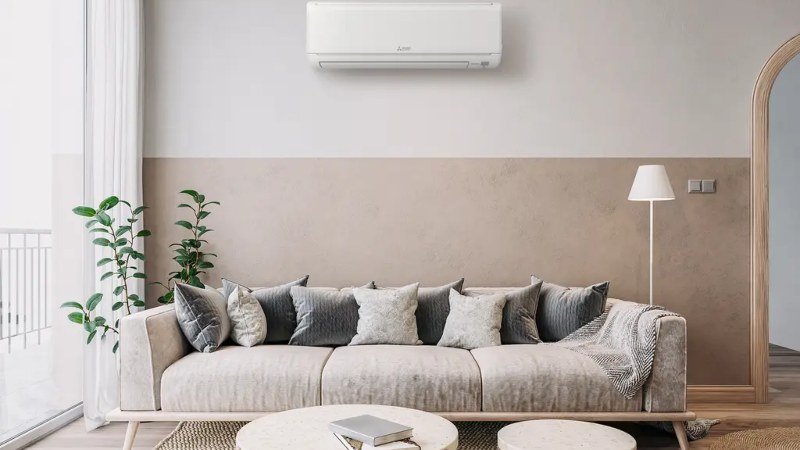
Split bedroom layouts can offer privacy and quiet, but they can also create comfort challenges that are easy to miss when looking at floor plans alone. Bedrooms placed on opposite sides of the home may receive very different airflow, sunlight, and temperature retention throughout the day and night. One side may feel cool and steady, while the other stays warm, stuffy, or slow to respond to thermostat changes. An HVAC contractor helps solve these differences by studying airflow patterns, duct design, thermostat placement, and room use. That support helps the whole home feel more balanced and consistently comfortable.
Room Balance Matters
Understanding Why Split Layouts Feel Uneven
An HVAC contractor helps improve comfort in homes with split-bedroom layouts by identifying why separate sleeping areas often behave like two distinct climate zones. In many of these homes, one bedroom wing may sit closer to the air handler or main return path, while the other may be farther away and more exposed to exterior walls, afternoon sun, or longer duct runs. That difference can create uneven temperatures even when the central system is technically working. The issue is not always the equipment itself. Sometimes the layout makes it harder for conditioned air to reach both sides of the house with the same strength and timing. A contractor can compare vent output, room temperatures, return airflow, and how quickly each side of the home responds when heating or cooling starts. That evaluation helps separate normal layout-related imbalance from hidden HVAC problems. Once the true cause is understood, comfort planning becomes much more accurate and much less frustrating for the household.
Improving Airflow to Distant Bedroom Wings
A major way an HVAC contractor helps is by improving airflow to bedrooms that are farther from the system or harder to condition evenly. In split layouts, long duct runs, sharp turns, partially blocked vents, weak return airflow, or poor balancing can all leave one side of the home feeling neglected. A contractor can inspect how much conditioned air is actually reaching each bedroom and whether that air is arriving with enough force to make a difference. Homeowners working with ACR Air Conditioning & Refrigeration may benefit from this kind of airflow review when one bedroom wing stays noticeably warmer or cooler than the rest of the house. This matters because the thermostat may be satisfied by the conditions in a central hallway or nearby living area while a distant bedroom still feels uncomfortable. By adjusting duct balance, improving return pathways, or correcting airflow restrictions, the contractor helps the system serve the entire layout more evenly rather than favoring only the easiest rooms to reach.
Reviewing Thermostat Placement and Daily Use Patterns
An HVAC contractor can strongly affect comfort in a split bedroom home by evaluating thermostat placement because one reading point controls rooms with very different conditions. If homeowners place the thermostat near the center of the home, close to a kitchen, or near a room that heats and cools quickly, the thermostat may not show the actual conditions in bedrooms located on the far side of the layout. An HVAC contractor evaluates whether the thermostat location still works well according to the home’s layout and how the family uses the space. The contractor may also ask how the family uses each bedroom wing, whether they keep doors closed, and whether they use one side of the home more often during the day or night. These details help contractors understand that comfort problems often connect to lifestyle choices as much as the home’s construction. Homeowners may need different support for rooms used as nurseries, offices, or guest suites compared to bedrooms used only at bedtime. By reviewing thermostat behavior and room usage together, the contractor can recommend changes that help the system respond to real household routines instead of depending only on one wall reading.
Addressing Heat Gain, Insulation, and Exterior Exposure
Split bedroom layouts often place one or more bedrooms along exterior walls with different sun exposure, window coverage, and insulation performance. One wing may stay shaded for most of the day while the other absorbs strong afternoon heat, causing the same HVAC cycle to feel completely different in each area. An HVAC contractor helps improve comfort by identifying where heat gain or heat loss is making one side of the layout harder to control. This may include examining window placement, attic conditions above the bedrooms, insulation levels, door gaps, and how much outside air reaches the room surfaces. These conditions can quietly shape comfort even when the equipment itself is sized correctly. If one bedroom wing loses conditioned air faster than the other, the system may seem inconsistent when it is actually responding to uneven building conditions. By recognizing these differences, the contractor helps homeowners see why comfort problems in split layouts are often part airflow issue and part structural heat-retention issue, both of which affect how the rooms feel every day.
Helping the Home Feel More Consistent at Night
Split-bedroom comfort becomes especially important at night, when small temperature differences can affect sleep more than during the day. One side of the home may cool quickly after sunset while the other still holds heat from the afternoon, or one bedroom may receive strong airflow that makes it feel drafty while another remains stuffy and slow to settle. An HVAC contractor helps improve nighttime comfort by checking whether the system can maintain more consistent conditions once the rest of the house has fallen quiet. That may involve balancing vents, adjusting blower settings, reviewing zoning options, or recommending sensor and control changes that better reflect the sleeping areas rather than only daytime living spaces. This matters because comfort complaints in split layouts often become most noticeable after dark, when bedrooms are occupied, and every difference in airflow, temperature, or humidity feels stronger.A well-planned adjustment can help both sides of the house feel calmer and more predictable, allowing the layout to provide the privacy it was designed for without reducing comfort.
An HVAC contractor helps improve comfort in homes with split-bedroom layouts by identifying uneven airflow, reviewing thermostat placement, checking heat gain and insulation, and ensuring the system responds more evenly to both sides of the home. These layouts can create privacy, but they also make it easier for one bedroom wing to feel very different from the other. When airflow, control settings, and structural conditions are studied together, the home becomes easier to balance. That means quieter nights, more consistent room temperatures, and a layout that feels comfortable throughout the house rather than only in the rooms closest to the system.