
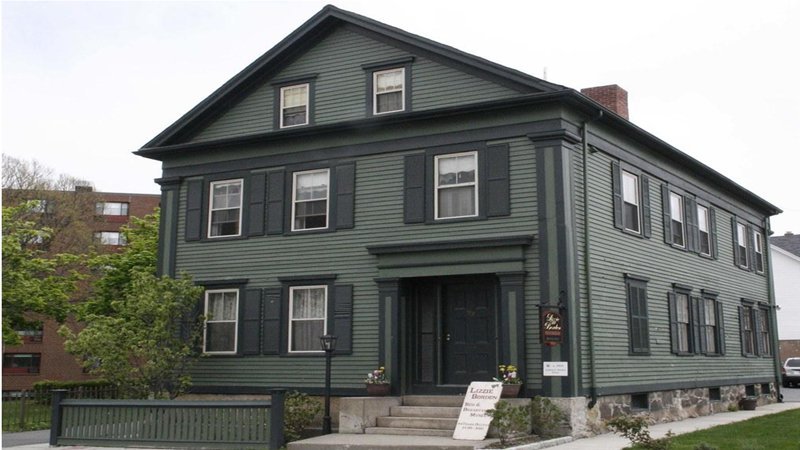
A home’s identity is created through the details people remember after seeing it from the street. It may be the shape of the entry, the color of the door, the rhythm of the windows, the landscape structure, or the way exterior materials work together. Some homes feel distinct because every visible feature supports the same design message. Others may have attractive pieces, yet still feel anonymous because those pieces do not connect into a clear visual story.
Giving a home a stronger identity does not always require a major renovation. Often, the most effective improvements come from refining the visible details that define how the property is recognized. Address numbers, lighting, hardware, walkways, mailboxes, planting choices, and façade finishes all contribute to the way a home presents itself. When these elements are chosen with intention, the exterior becomes more memorable without becoming loud or overdecorated.
Why Residential Identity Begins at the Street
Most people experience a home first from a distance. They notice the overall shape before they notice the porch. They see contrast, symmetry, color, and focal points before they register smaller finishes. This first view matters because it determines whether the property feels clear, cared for, and distinct from nearby homes. A strong street presence gives the exterior confidence, while a scattered one makes the property blend into the background.
Residential identity also depends on usability. A home that is difficult to identify, hard to approach, or visually confusing loses some of its impact. The exterior should help visitors understand where they are, where to go, and what kind of design character the home expresses. The best curb-facing details work like a quiet introduction: organized, readable, and specific enough to be remembered.
What Exterior Detail Communicates Identity Most Clearly?
Every home develops a visual identity through the combination of architectural features, materials, proportions, and exterior details. Some properties feel memorable because their design elements work together to create a consistent impression, while others blend into the background despite larger investments in landscaping or renovations. Homeowners who want a residence to appear more intentional often focus on the features that communicate identity at a glance. Among those features, Modern House Numbers play a unique role because they function as both an identifying marker and a design element that reinforces the architectural character of the property.
Visual identity depends on repetition and consistency. When exterior details reflect the same design language, visitors perceive the home as more cohesive and deliberate. Address displays occupy a prominent position on the façade, making them one of the few elements that contribute to both recognition and aesthetic expression simultaneously.
Architectural character emerges through the accumulation of small decisions rather than a single dramatic feature. Exterior lighting, hardware, materials, and address displays each communicate information about the home’s style. A contemporary number display strengthens that message by introducing clear forms, defined geometry, and a purposeful visual presence.
The result extends beyond simple property identification. A well-integrated exterior detail helps distinguish the residence from surrounding homes while supporting the broader architectural narrative. By combining function with design consistency, a carefully selected address display contributes to a stronger sense of identity and a more recognizable residential presence.
Edit What Weakens the Exterior Story
Before adding new features, homeowners should look for details that confuse the home’s identity. A faded mailbox, mismatched lighting, crowded porch décor, overgrown shrubs, damaged trim, or outdated fixtures can blur the exterior message. These details may seem minor, but they influence how the whole property is perceived. Removing visual clutter can be just as powerful as adding something new.
This is especially important when older exterior elements no longer support the homeowner’s current style goals. Outdated structures, worn backyard features, and unused outdoor elements can make a property feel less focused. Guidance on backyard structure removal for modern home upgrades highlights how clearing away elements that no longer serve the property can make room for a cleaner and more intentional design direction.
Let the Strongest Features Breathe
A distinct home identity becomes easier to read when key features have enough space around them. If the entrance, address display, or walkway is crowded by too many objects, the eye does not know where to rest. A well-edited exterior allows important elements to stand forward. This creates visual calm and gives the home a more confident presence.
Use Repetition to Build Recognition
A home feels more distinct when its exterior details repeat a clear design language. This repetition can appear through material, finish, shape, color, or proportion. A black metal address display may connect with black lighting and door hardware. Warm wood planters may relate to a wood front door. Clean rectangular forms may echo modern windows, walkway pavers, and mailbox design.
Repetition does not mean every detail must match exactly. In fact, perfect matching can feel flat. The goal is relationship. Exterior elements should feel like they were invited to the same design conversation. When the mailbox, lighting, address numbers, and entry hardware share a common tone, the property becomes easier to recognize as one complete composition rather than a collection of unrelated pieces.
Connect the Front and Outdoor Living Areas
A home’s identity is not limited to the front elevation. Side yards, backyards, patios, and garden areas also contribute to the way the property feels. When outdoor living spaces are upgraded with the same level of intention as the entry, the entire property becomes more cohesive. A backyard with modern seating, structured planting, and clean circulation can support the same identity introduced at the front of the home.
Homeowners planning broader outdoor improvements can explore ideas from backyard renovation inspiration to see how layout, planting, hardscaping, and lifestyle needs can shape a property’s character. A distinct identity becomes stronger when front and rear outdoor spaces feel related rather than disconnected. The exterior should not feel like two different homes wearing the same roof.
Balance Personality With Restraint
A memorable home does not need to be dramatic. Personality can come from a confident door color, a refined address display, sculptural lighting, a distinctive mailbox, or a thoughtfully planted entry. The trick is choosing a few meaningful features rather than piling on every attractive idea at once. Too many statements can cancel each other out, like a tiny orchestra where every instrument is playing a solo.
Strengthen the Entry as the Main Identity Point
The entry is usually the strongest identity point because it combines function, welcome, and visual focus. It tells guests where to go and gives the home a recognizable face. A well-designed entry should include visible address information, clear lighting, a defined path, coordinated hardware, and enough visual contrast to stand apart from the rest of the façade.
The best entry details feel deliberate. The door finish should relate to nearby materials. Lighting should suit the scale of the entry. The address display should be readable from the street and aligned with the home’s architectural character. Planters, benches, or decorative accents should support the entry rather than block it. When the entry is strong, the whole home feels easier to remember.
Brand Section: A Clear Identity Through Address Design
Modern address numbers are a useful example of how a small feature can define a home’s identity. They carry practical information, but they also influence the way the façade is read. Clean character shapes, careful spacing, durable materials, and thoughtful placement can make the exterior feel more polished and intentional.
This kind of detail works because it sits at the intersection of recognition and design. It helps visitors identify the property while reinforcing the architectural language of the home. When chosen with care, an address display can connect with lighting, hardware, mailbox finishes, and exterior materials. It becomes a small signature that helps the residence feel distinct without overwhelming the overall design.
Maintain the Identity You Create
A distinct home identity needs maintenance to remain clear. Paint fades, plants overgrow, lighting fails, hardware weathers, and outdoor features collect dirt. These changes can slowly weaken the exterior impression. Regular upkeep keeps the original design intention visible and prevents small details from becoming distractions.
Homeowners should review the exterior seasonally from the street and from the entry path. The address should remain readable, the walkway should stay clear, the lighting should work properly, and the landscaping should frame rather than hide important features. A home with a strong identity is not only designed once. It is cared for over time.
Conclusion
Giving a home a more distinct identity starts with clarity. Exterior details should communicate a consistent style, help people recognize the property, and support the way the home is used every day. Address numbers, lighting, hardware, landscape structure, mailbox design, and outdoor living areas all contribute to that identity when they are coordinated thoughtfully.
The most memorable homes are not always the largest or most expensive. They are the ones whose details work together. By editing weak elements, repeating a clear design language, strengthening the entry, and maintaining visible features over time, homeowners can create a property that feels more intentional, recognizable, and complete from the street to the backyard.