
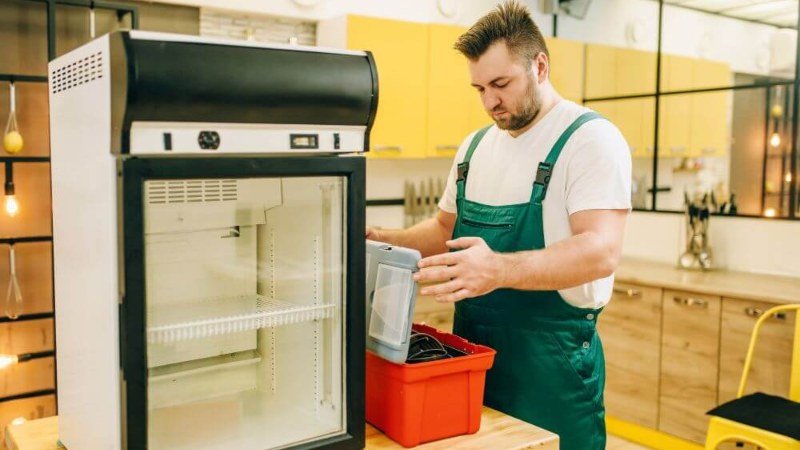
Prep line refrigeration is one of the most important parts of a commercial kitchen because it keeps ingredients within reach while helping them stay at temperatures needed for daily service. When these units stop holding steady cold conditions, the problem reaches far beyond one appliance. Food quality, timing, workflow, and sanitation can all be affected at once. What looks like a minor temperature issue during prep can become a larger operational problem by the next rush. That is why repair matters. A functioning prep line supports safe handling, organized service, and smoother kitchen performance throughout the day.
Why Temperature Loss Matters
Unsafe Temperatures Can Disrupt Food Handling Immediately
When a prep line unit starts moving above its normal holding range, kitchen staff immediately feel the impact in the way they handle ingredients. Workers may need to check cold items constantly, move them to other refrigeration units, or discard them earlier than expected. This creates extra pressure during preparation because staff can no longer focus only on production.They are also watching temperatures, rotating pans faster, and adjusting routines around an unreliable unit. In many kitchens, commercial refrigerator repair becomes urgent not because the appliance has stopped completely, but because it can no longer support the steady cold environment the prep line depends on. Even short periods of temperature loss can create uncertainty that changes how the whole station operates. Once staff begins to doubt the unit’s holding power, every ingredient stored there becomes a concern rather than a convenience.
Repair Helps Protect Product Quality Before Losses Grow
A prep line refrigerator does more than keep food cold. It helps maintain the quality, texture, and readiness of ingredients used continuously during service. Sauces, chopped produce, proteins, dairy items, and other prepared components can all change quickly when they sit in a unit that no longer holds proper temperatures. The damage may not always appear immediately, which makes the issue even more difficult to detect. Food may still look usable even as its quality begins to decline. Repair matters because it helps prevent the gradual loss before it affects a larger portion of the day’s inventory. If the problem continues unchecked, kitchens may end up throwing away multiple pans of product, remaking prep work, or interrupting service to pull replacement ingredients from backup storage. A quick repair response helps preserve not just the equipment, but the work already invested in what is stored inside it.
Kitchen Workflow Begins to Break Down When the Prep Line Cannot Perform.
Small Mechanical Problems Can Become Larger Service Disruptions
Prep line temperature issues often begin with something that seems minor, such as a weak gasket, a struggling fan, a thermostat problem, dirty coils, or an airflow obstruction. At first, the unit may still feel cold enough in parts of the cabinet, which can delay the decision to repair it. But these smaller issues rarely stay small in a high-use kitchen environment. Doors are opened constantly, pans are replaced during service, and the unit has to recover repeatedly throughout the shift. Under that pressure, even a modest cooling weakness can grow into a serious holding failure. Repair matters because it addresses the problem before the unit falls farther behind. Waiting often means temperature swings worsen, the compressor works harder, and more ingredients are at risk each day. An early repair can prevent a larger shutdown, reduce stress on the equipment, and keep the prep station from slipping into a condition that is much more disruptive to correct.
Reliable Refrigeration Supports Safer Station Organization
A prep line unit is designed to hold ingredients in a way that is both accessible and controlled. When it fails to stay cold, that balance disappears. Staff may start overcrowding other refrigeration units, leaving ingredients out too long while deciding where to move them, or rearranging station layouts in ways that make the kitchen harder to manage. This creates clutter, confusion, and increased chances of mistakes during busy periods. Repair matters because it helps restore the station’s original function as a dependable cold work zone. It keeps ingredients where they belong, lets staff focus on production rather than emergency rearrangement, and helps the kitchen maintain a more orderly setup. Foodservice operations depend on order because people need to know exactly where items are located and trust that proper conditions maintain those items when they handle them.A repaired prep line helps reestablish that trust and supports a kitchen environment that works with fewer disruptions.