
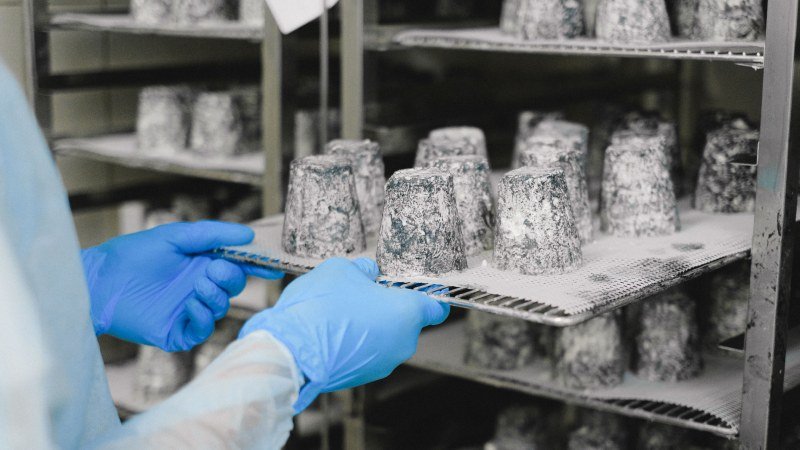
Businesses that work with food at scale operate under a completely different set of priorities compared to everyday food preparation at home. Instead of focusing only on convenience or short-term storage, they must think in terms of consistency, safety, compliance, and efficiency across large volumes. This is where systems like commercial refrigeration sydney solutions become central to how these businesses operate, rather than just being supporting equipment in the background.
Why Temperature Becomes a Core Operational Priority
For large-scale food businesses, temperature control is not an afterthought—it is a foundation of the entire operation. Even small fluctuations can affect product quality, shelf life, and safety standards.
Because food is often stored, transported, and prepared in bulk, maintaining consistent temperature conditions becomes essential at every stage. This includes receiving raw ingredients, storing them, and holding prepared items before service or distribution.
Unlike small kitchens, there is no room for inconsistency when volumes are high and timelines are tight.
The Importance of Separate Storage Zones
One of the key differences in commercial food handling is the use of clearly separated storage environments. Different categories of food often require different temperature ranges, humidity levels, and airflow conditions.
Raw ingredients, prepared meals, and perishable goods are typically stored separately to prevent cross-contamination and maintain freshness.
This structured approach ensures that each product is kept in the most suitable environment for as long as possible.
How Scale Changes the Risk of Temperature Fluctuations
At a larger scale, even minor equipment issues can have significant consequences. A small temperature rise that might be manageable in a home fridge can lead to major product loss when applied across commercial storage units.
This is why monitoring systems, redundancy planning, and regular checks are often built into food storage operations.
The larger the operation, the more critical it becomes to maintain stable conditions without interruption.
Storage Efficiency and Workflow Design Go Hand in Hand
Efficient storage is not just about keeping food cold—it is also about making sure staff can access ingredients quickly and safely.
Commercial kitchens and food facilities are often designed around workflow patterns that minimise movement, reduce handling time, and maintain temperature stability during access.
This balance between accessibility and preservation plays a major role in how storage systems are structured.
Compliance and Food Safety Standards Shape Decisions
Food businesses must follow strict safety regulations that govern how products are stored and handled. These rules influence everything from equipment selection to daily operating procedures.
Temperature logs, maintenance schedules, and inspection readiness are often part of routine operations.
This regulatory environment ensures that food safety remains consistent, even in high-pressure commercial settings.
The Role of Equipment Reliability in Daily Operations
Reliability is one of the most important factors in commercial food storage systems. Equipment failure can lead to significant financial loss, disrupted service, and potential safety risks.
For this reason, businesses often prioritise systems designed for continuous operation and long-term durability.
Backup systems or contingency plans are also commonly considered to reduce operational risk.
How Inventory Management Depends on Storage Conditions
At scale, food storage is closely linked to inventory control. Businesses need to know not only what is stored, but also how long it can remain usable under specific conditions.
Temperature stability directly affects shelf life, which in turn influences ordering cycles, waste reduction, and cost management.
This makes storage systems a critical part of overall business efficiency.
Why Energy Efficiency Has Become More Important
Large refrigeration systems operate continuously, which makes energy consumption a significant operational cost. As a result, businesses are increasingly focused on systems that balance performance with efficiency.
Improving insulation, upgrading equipment, and optimising usage patterns can all contribute to reducing long-term costs while maintaining required performance levels.
Final Thoughts
Food businesses operating at scale approach temperature control and storage as core components of their entire operation rather than simple support systems. Every decision—from equipment selection to layout design—is influenced by the need for consistency, safety, and efficiency.
With reliance on solutions such as commercial refrigeration sydney, these businesses are able to maintain stable conditions, protect product quality, and operate effectively in a high-demand environment where precision matters at every level.