
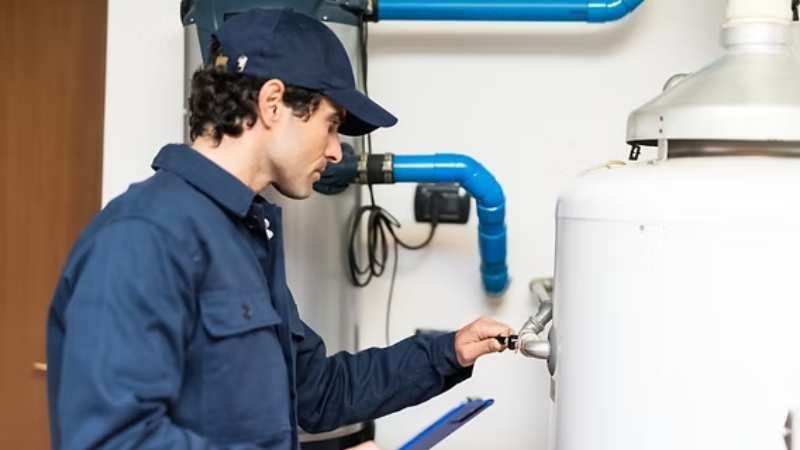
For many households, arranging a hot water heater installation only becomes urgent when the existing system suddenly stops working. In the rush to restore daily comfort, families often focus solely on replacing the unit as quickly as possible without fully understanding the long-term implications of their decision. Later, many homeowners realize there were important factors they should have considered beforehand — from sizing and energy efficiency to installation costs and future maintenance. Knowing what to expect before booking a new hot water system can help families avoid unnecessary expenses, performance issues, and future frustration.
Not Every Home Needs the Same Type of System
One of the most common mistakes homeowners make is assuming all hot water systems perform similarly. In reality, the ideal setup depends heavily on household size, water usage habits, available energy sources, and property layout.
A system that works perfectly for a small apartment may struggle in a larger family home with multiple bathrooms and high daily demand. Choosing the wrong capacity can lead to inconsistent hot water supply, higher energy bills, and increased wear on the unit.
Before installation, families should carefully assess:
- Number of occupants
- Peak hot water usage times
- Bathroom and appliance usage
- Future household growth
- Available installation space
A properly matched system delivers far better efficiency and long-term performance.
Upfront Price Is Only Part of the Total Cost
Cheaper Systems May Cost More Over Time
Many homeowners naturally focus on the purchase price when comparing hot water systems. However, lower upfront costs do not always translate into better long-term value.
An inexpensive unit with poor energy efficiency may consume significantly more electricity or gas over the years. Frequent repairs and shorter lifespan can also increase overall ownership costs.
Families often wish they had considered lifetime operating expenses rather than only the initial installation quote.
Installation Complexity Can Affect Budget
The installation itself may involve additional work that homeowners do not initially expect. Factors such as relocating plumbing lines, upgrading electrical systems, improving ventilation, or removing old equipment can increase total costs.
Properties with older infrastructure may require additional modifications before a new unit can be safely installed.
Understanding these possibilities in advance helps prevent budget surprises.
Energy Efficiency Matters More Than Many Realize
Modern Systems Use Technology Differently
Hot water systems have evolved considerably over the years. Modern units often include advanced insulation, smart temperature controls, and improved heating technology designed to reduce energy waste.
Older replacement systems or poorly selected models may continue driving up household utility bills unnecessarily.
Choosing an energy-efficient system can lead to substantial savings over time while also reducing environmental impact.
Renewable Energy Compatibility Is Becoming Important
Many Australian households are now installing solar panels or exploring energy-efficient upgrades. Some families later regret selecting hot water systems that do not integrate well with renewable energy solutions.
Electric systems designed for solar compatibility may provide better flexibility for future energy planning.
Thinking ahead during installation can help homeowners avoid costly upgrades later.
Installation Location Influences Performance
Placement Affects Accessibility and Efficiency
The location of a hot water system impacts more than appearance. Some homeowners discover too late that poorly positioned units can make maintenance difficult or reduce system efficiency.
Long pipe runs between the unit and frequently used taps can increase heat loss and water wastage. Tight installation spaces may also complicate future repairs.
Careful placement planning helps improve both convenience and operating performance.
Outdoor and Indoor Installations Have Different Requirements
Certain systems require proper ventilation, weather protection, or drainage considerations depending on where they are installed.
Ignoring environmental factors during installation can shorten the lifespan of the equipment or affect safety standards.
Household Water Demand Can Change Over Time
Future Lifestyle Changes Matter
A hot water system should not only suit current needs but also accommodate possible future changes. Families often underestimate how quickly household water usage can increase.
New family members, home renovations, additional bathrooms, or lifestyle changes can place extra strain on undersized systems.
Choosing a slightly larger or more adaptable system may prevent premature replacement later.
Maintenance Expectations Should Be Understood Early
Every System Requires Ongoing Care
Many homeowners assume a newly installed hot water system will operate maintenance-free for years. While modern systems are more reliable than older models, routine servicing remains important.
Sediment buildup, pressure valve wear, and heating component issues can gradually reduce efficiency if ignored.
Understanding maintenance requirements from the beginning helps families extend system lifespan and maintain consistent performance.
Warranty Conditions Often Depend on Servicing
Some manufacturers require regular professional servicing to maintain warranty coverage. Families who skip scheduled maintenance may unknowingly void parts of their warranty protection.
Clarifying servicing expectations before installation can prevent future complications.
Speed of Installation Should Not Override Quality
Emergency Replacements Often Lead to Rushed Decisions
When a system fails unexpectedly, homeowners understandably want hot water restored quickly. However, rushing into the first available installation option can result in poor system selection or inadequate workmanship.
Families frequently wish they had spent more time comparing options, installer experience, and long-term performance benefits.
Qualified Installers Make a Significant Difference
A high-quality hot water unit can still perform poorly if installed incorrectly. Proper plumbing connections, temperature calibration, pressure control, and ventilation setup all contribute to reliable operation.
Experienced professionals help ensure the system operates safely and efficiently from the start.
Smart Features Are Becoming Increasingly Valuable
Modern Systems Offer Better User Control
Today’s hot water systems often include programmable settings, digital displays, and smart monitoring technology that older systems lacked.
These features allow homeowners to:
- Monitor energy usage
- Adjust temperature settings
- Detect maintenance issues early
- Improve heating schedules
- Reduce unnecessary energy consumption
Families who invest in smarter systems often appreciate the additional convenience and efficiency over time.
Final Thoughts
Booking a hot water installation involves much more than simply replacing an old tank. Many families later realize they should have considered factors like energy efficiency, household demand, installation quality, maintenance needs, and long-term operating costs before making a decision.
A carefully selected and professionally installed hot water system can improve comfort, reduce utility expenses, and provide dependable performance for many years. By understanding the bigger picture before installation day arrives, homeowners can avoid common regrets and make a far more informed investment in their property’s future.