
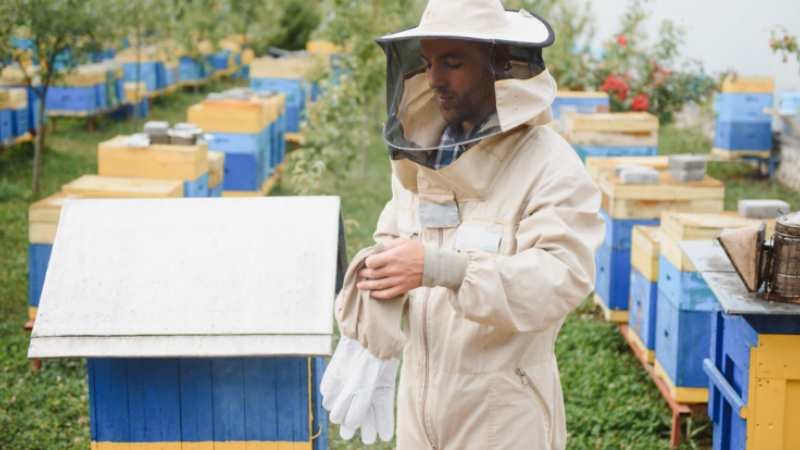
A bee suit is one of the most important pieces of safety gear a beekeeper can wear before opening a hive. It is not just a white outfit for working around bees. A well-designed suit helps protect the body, supports calm movement, improves confidence, and allows the beekeeper to focus on the colony instead of worrying about stings.
Many bee suit look similar from a distance, but their performance can be very different during real hive work. The difference usually comes from fabric quality, ventilation, veil structure, closure design, and fit. A suit that feels comfortable for a short backyard inspection may not be strong enough for long hive sessions, honey harvesting, or professional beekeeping.
Choosing the right bee keeper suit means looking beyond appearance. A beekeeper should ask: Does it protect well? Does it allow airflow? Can I move comfortably? Will it last after repeated use? These questions matter before the hive opens.
Why the Right Bee Suit Matters
Beekeeping requires patience and steady movement. When a beekeeper feels exposed or uncomfortable, they may rush, move too quickly, or lose focus. Bees often respond better when the beekeeper works calmly, so proper clothing plays a real role in hive management.
A quality bee protection suit helps reduce direct contact between bees and skin. It also creates a sense of security, especially for beginners who are still learning how colonies behave.
A reliable suit should support:
- Full body coverage: The arms, legs, torso, neck, and face should be protected.
- Calm hive handling: The beekeeper should feel confident enough to inspect frames slowly.
- Comfort in warm weather: Breathable material helps reduce overheating.
- Long-term use: Strong stitching and durable fabric help the suit last through many inspections.
A good suit does not make beekeeping risk-free, but it makes hive work safer, more controlled, and more comfortable.
Full Coverage Comes First
Coverage is the foundation of protection. A full bee suit is often the best choice for beginners, active colonies, honey harvesting, or longer hive inspections because it protects more areas of the body.
A proper suit should include a veil or hood, long sleeves, full leg coverage, fitted wrists, secure ankles, and a strong front zipper. These details reduce open spaces where bees may enter.
A full body bee suit is especially useful when working with stronger colonies or when handling frames for a longer period. It gives the beekeeper fewer exposed areas to worry about, which improves confidence and concentration.
Fit is also important. The suit should not be too tight because tight fabric can sit close to the skin and reduce sting resistance. It should also not be too loose because oversized fabric may feel heavy or interfere with movement. The best fit allows space for protection while still letting the beekeeper bend, lift, walk, and reach easily.
Fabric Quality Decides Real Protection
The fabric of a bee keeping suit decides how protective and comfortable it feels. Thin fabric may feel light, but it may not offer enough protection during active hive work. Very heavy fabric may feel safer, but it can become uncomfortable in heat.
Common materials include cotton, polycotton, mesh, and layered fabrics. Each has its place, but the best choice depends on climate, hive activity, and how often the suit will be used.
A strong fabric should offer durability, sting resistance, comfort, and easy care. A protective bee suit should balance safety with comfort. If the suit protects well but feels difficult to wear after a short time, it may not support proper hive work.
Breathability Makes Hive Work Easier
Beekeeping often happens during warm seasons, so ventilation is not a small detail. Heat can quickly make inspections uncomfortable, especially when the beekeeper is standing in direct sunlight, lifting boxes, or managing multiple colonies.
A ventilated bee suit allows airflow while still helping protect the beekeeper. This makes a major difference during long inspections or honey harvesting.
Good ventilation supports better temperature control, improved focus, less fatigue, and longer working time. A breathable bee suit is a smart option for beekeepers who work in hot weather or spend extended time in the apiary. It supports protection without making the beekeeper feel trapped inside the suit.
Mesh and Layered Suits
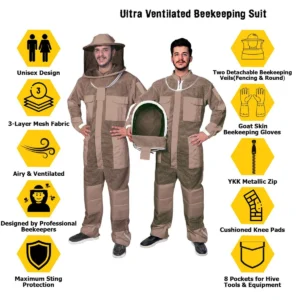
A mesh bee suit is often chosen for airflow. Mesh construction allows air to move through the suit while still creating a protective barrier. This is useful in warm climates where traditional heavy suits can feel uncomfortable.
A 3 layer bee suit can be even more practical because it creates space between the outer layer and the skin. This layered structure helps reduce the chance of stings reaching the body while still allowing ventilation.
When choosing a mesh or layered design, check whether the fabric feels strong, the stitching is neat, and the suit keeps its shape during movement. Breathability should not come at the cost of weak construction.
Veil Design Should Never Be Ignored
The veil protects the face, head, and neck. These are sensitive areas, so the veil must be secure, structured, and easy to see through.
A good veil should provide clear visibility when checking frames, spotting the queen, reading brood patterns, or using hive tools. It should also stay away from the face because mesh that touches the skin can reduce protection.
Even the best bee suit can feel unreliable if the veil is weak. A beekeeper needs visibility and confidence while working close to the colony.
Cuffs, Zippers, and Closures Matter
Many suit problems happen through small openings. Bees can enter through loose wrists, ankles, weak zippers, or poorly connected veils. That is why closure design is a serious part of protection.
A reliable suit should include elastic wrist cuffs, secure ankle closures, a strong front zipper, zipper flap protection, and reinforced stitching around stress points.
These details may look small, but they affect real hive safety. A strong fabric will not help much if bees can easily enter through loose cuffs or gaps.
Professional Beekeepers Need Stronger Gear
A hobby beekeeper may inspect one or two hives occasionally. A professional beekeeper may work with several colonies, harvest honey, move equipment, and spend long hours in the apiary.
A professional bee suit should support repeated use, better mobility, and longer working sessions. It should feel protective without slowing down the beekeeper.
Important professional features include strong fabric, breathable construction, reinforced stitching, durable zippers, practical pockets, and a comfortable veil. Brands like Bebees can help buyers choose practical beekeeping gear focused on protection, comfort, and real hive work.
Final Thoughts
A bee suit should protect, breathe, and last. It should cover the body properly, allow calm movement, reduce sting risk, and keep the beekeeper comfortable during inspections.
The right suit is not always the thickest or the most expensive. It is the one that balances fabric strength, ventilation, veil safety, closure design, fit, and durability.
Before the hive opens, the beekeeper should feel prepared. A dependable suit helps create that confidence. For beekeepers who want reliable protective clothing, Bebees offers bee suit options designed to support comfort, coverage, and confidence around the hive.