
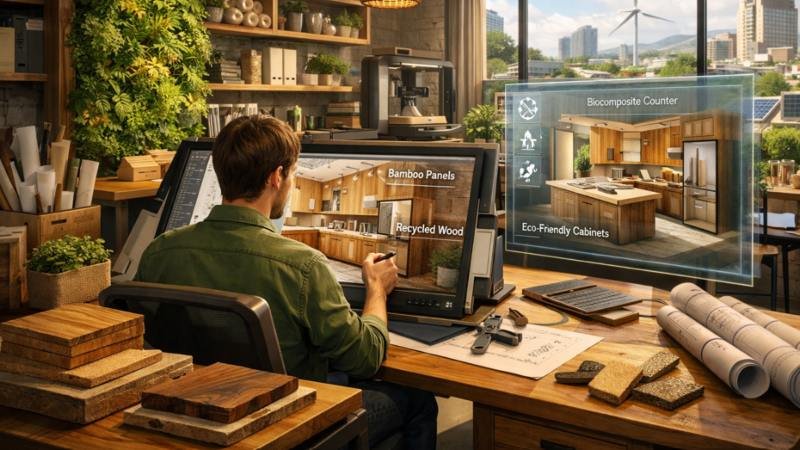
Sustainability is no longer a niche trend in architecture; it has become a global priority. From government regulations to client expectations, the demand for environmentally responsible construction is transforming how buildings are designed and built. One area experiencing significant change is Architectural Millwork Drafting Services, where sustainable materials and digital design technologies are reshaping traditional drafting practices.
Architects, engineers, and construction firms across the USA and UK are increasingly integrating eco-friendly materials such as reclaimed wood, bamboo composites, and recycled panels into their interior and structural designs. As a result, drafting professionals must adapt to new specifications, fabrication processes, and digital modeling requirements.
In 2026, the intersection of sustainable materials, advanced CAD tools, and architectural millwork design is redefining how millwork drawings are developed. This shift is not just about environmental responsibility it also presents new opportunities for innovation, efficiency, and competitive advantage.
Why Are Sustainable Materials Transforming Architectural Millwork Design?
Sustainable construction practices are becoming standard across the architecture and construction industry. According to the World Green Building Council, green buildings can reduce energy consumption by up to 30% and water usage by 20–30%, making sustainability a critical factor in modern construction planning.
In the context of architectural millwork and design, sustainable materials offer several benefits:
- Reduced environmental impact
- Improved indoor air quality
- Long-term durability and performance
- Compliance with green building certifications such as LEED and BREEAM
However, integrating these materials into projects requires highly accurate drafting and modeling. This is where Architectural Millwork Drafting Services play a crucial role ensuring that every component is precisely documented for manufacturing and installation.
What Sustainable Materials Are Most Common in Architectural Millwork Today?
Architectural woodworking has evolved significantly over the past decade. In 2026, several sustainable materials are becoming standard in architectural woodworking and design projects.
Popular Sustainable Materials in Millwork
- Bamboo Panels
Bamboo grows up to 30 times faster than traditional hardwoods, making it one of the most renewable materials used in interior millwork. - Reclaimed Wood
Salvaged wood from old buildings provides unique textures while reducing deforestation. - Engineered Wood Products
Materials such as cross-laminated timber (CLT) and laminated veneer lumber (LVL) offer strength and sustainability. - Recycled Composite Panels
These panels combine recycled fibers and resins, offering durability while reducing waste. - Low-VOC Finishes and Adhesives
Environmentally friendly coatings help improve indoor air quality.
These materials require detailed documentation in drafting files, which means designers must adapt their architectural millwork design workflows accordingly.
How Do Sustainable Materials Affect Architectural Millwork Drafting Services?
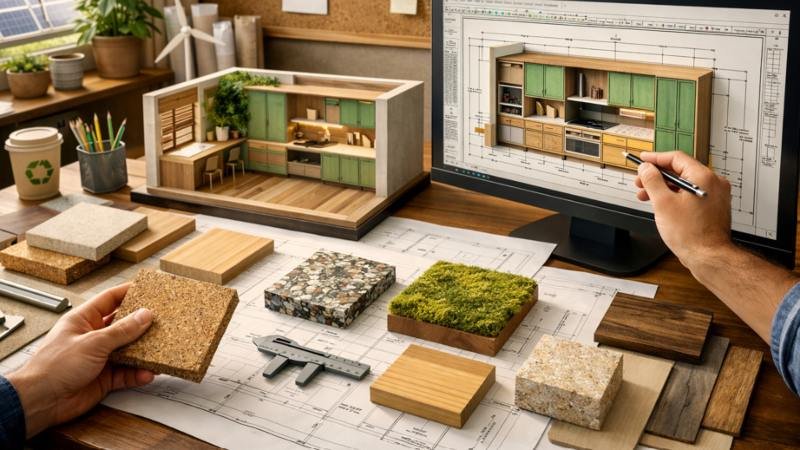
Using eco-friendly materials changes how millwork components are modeled and documented in CAD drawings.
Traditional drafting methods often assumed uniform materials and predictable fabrication methods. Sustainable materials, however, may vary in texture, density, and structural performance.
As a result, Architectural Millwork Drafting Services must now incorporate:
1. Advanced Material Specifications
Drafting files must include detailed information such as:
- Material sourcing information
- Sustainability certifications
- Moisture resistance and durability data
- Structural performance details
2. Enhanced CAD Modeling
Many sustainable materials require precise modeling for fabrication. For example:
- CNC machining paths for bamboo panels
- Structural modeling for engineered wood components
- Custom joinery for reclaimed wood elements
Advanced CAD software enables drafters to visualize and document these complex elements before production begins.
3. Integration with BIM Workflows
Sustainable building projects often rely on Building Information Modeling (BIM). BIM integration allows architects and millwork designers to track:
- Environmental impact data
- Material quantities and waste reduction
- Energy efficiency metrics
This integration is increasingly expected in modern architectural millwork and design projects.
What Role Does Technology Play in Sustainable Millwork Drafting?
Digital tools are essential for managing the complexity of sustainable materials. Modern drafting workflows now rely heavily on advanced technologies.
Key Technologies Supporting Sustainable Drafting
- 3D CAD Modeling – Enables accurate visualization of millwork components.
- Parametric Design Tools – Allow designers to adjust dimensions and materials quickly.
- BIM Integration – Helps track sustainability metrics throughout the project lifecycle.
- CNC-Compatible Drawings – Ensure efficient manufacturing with minimal waste.
According to research published by McKinsey & Company, digital design technologies can improve construction productivity by 14–15%, highlighting the importance of digital transformation in the AEC industry.
For millwork designers, these tools allow sustainable materials to be incorporated without sacrificing precision or efficiency.
What Challenges Do Designers Face When Drafting with Sustainable Materials?
While sustainable materials offer many advantages, they also introduce several challenges for architects and drafting professionals.
Common Challenges in Sustainable Millwork Drafting
- Material Variability
Reclaimed or natural materials may vary in size and quality, requiring flexible drafting approaches. - Higher Initial Costs
Sustainable materials sometimes have higher upfront costs, making precise documentation essential to minimize waste. - Complex Fabrication Methods
Some eco-friendly materials require specialized machining or joinery techniques. - Regulatory Compliance
Green building certifications require detailed documentation and reporting.
Because of these factors, professional Architectural Millwork Drafting Services are becoming increasingly valuable in ensuring accurate and efficient project execution.
How Are Sustainability Trends Shaping the Future of Architectural Woodworking?
The future of architectural woodworking and design is closely tied to sustainability and digital innovation. Several emerging trends are already influencing millwork drafting in 2026.
Emerging Trends in Sustainable Millwork
- Carbon-Neutral Materials
Architects are prioritizing materials with minimal carbon footprints. - Digital Fabrication and Automation
CNC machines and robotic fabrication are improving precision while reducing waste. - Modular Interior Design
Prefabricated millwork components allow faster and more sustainable construction. - AI-Assisted Drafting Tools
Artificial intelligence is beginning to optimize design layouts and material usage. - Circular Economy Principles
Designers are focusing on reusable materials and components that can be repurposed at the end of a building’s lifecycle.
These trends are driving the evolution of architectural millwork design, pushing drafting professionals to adopt new tools and workflows.
Why Should Businesses Invest in Modern Architectural Millwork Drafting Services?
For developers, contractors, and design firms, sustainable millwork is not just an environmental decision, it is a strategic investment.
High-quality Architectural Millwork Drafting Services help businesses:
- Reduce material waste and project costs
- Improve design accuracy and fabrication efficiency
- Meet sustainability and regulatory requirements
- Enhance collaboration between architects, engineers, and manufacturers
- Deliver visually striking, environmentally responsible interiors
As sustainable construction continues to grow in the UK, USA, and global markets, companies that invest in modern drafting workflows will be better positioned to compete.
Final Thoughts
Sustainable materials are reshaping the future of architectural millwork and design. From bamboo panels and reclaimed wood to advanced engineered timber products, eco-friendly materials are transforming how millwork components are designed, drafted, and fabricated.
For architects, engineers, and construction professionals, this shift requires a deeper understanding of both materials and digital drafting technologies. Accurate documentation, advanced CAD modeling, and BIM integration are now essential elements of modern Architectural Millwork Drafting Services.
As sustainability continues to influence the global construction industry, businesses that adopt innovative drafting practices will gain a significant competitive advantage. Many forward-thinking design firms in the UK are already embracing these changes, leveraging advanced CAD solutions to support sustainable millwork projects and deliver high-quality architectural outcomes.
FAQs
1. What are Architectural Millwork Drafting Services?
Architectural Millwork Drafting Services involve creating detailed CAD drawings and technical documentation for custom woodwork elements such as cabinetry, paneling, doors, moldings, and interior architectural features used in commercial and residential buildings.
2. How are sustainable materials impacting architectural millwork design?
Sustainable materials such as bamboo, reclaimed wood, engineered timber, and recycled composites are changing architectural millwork design by reducing environmental impact while maintaining durability and aesthetic value. These materials require precise drafting and advanced CAD modeling to ensure accurate fabrication.
3. Why are architects in the USA and UK adopting sustainable millwork solutions?
Architects in the USA and UK are adopting sustainable millwork due to stricter environmental regulations, green building certifications like LEED and BREEAM, and increasing client demand for eco-friendly construction and interior design.
4. What role does CAD technology play in architectural millwork drafting?
CAD technology allows designers to create high-precision millwork drawings, generate 3D models, integrate BIM workflows, and optimize material usage. These tools help architects and engineers visualize sustainable designs before manufacturing begins.
5. What materials are commonly used in sustainable architectural woodworking and design?
Common sustainable materials used in architectural woodworking and design include:
- Bamboo panels
- Reclaimed wood
- Cross-laminated timber (CLT)
- Engineered wood products
- Recycled composite boards
- Low-VOC finishes and adhesives
6. What challenges do designers face when drafting sustainable millwork projects?
Some challenges include:
- Variability in reclaimed materials
- Higher initial material costs
- Complex fabrication processes
- Meeting environmental certification requirements
- Ensuring compatibility with modern manufacturing technologies
Professional Architectural Millwork Drafting Services help overcome these challenges with accurate CAD documentation.
7. What are the future trends in architectural millwork design for 2026 and beyond?
Major trends shaping architectural millwork design include:
- Carbon-neutral building materials
- AI-assisted CAD drafting
- BIM-driven sustainable construction
- Modular millwork components
- CNC and robotic fabrication
- Circular design and recyclable materials
These innovations are transforming how architectural interiors are designed and manufactured globally.