
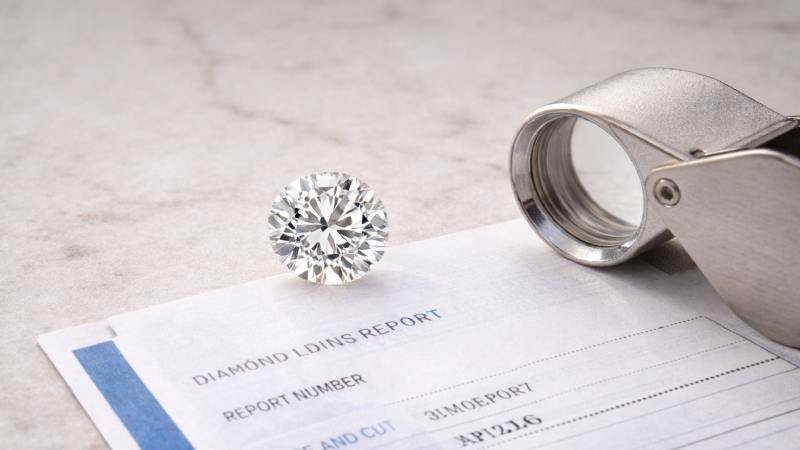
Many Arizona residents assume selling a diamond will be quick and straightforward, only to discover the resale market plays by a different set of rules. Price expectations, buyer behavior, and evaluation standards often differ sharply from the retail experience most people remember. Why do so many sellers feel caught off guard when the first offer arrives? The answer usually comes down to a handful of common misconceptions that are entirely avoidable with the right preparation and perspective.
What Makes the Arizona Diamond Market Different
Arizona has developed a particularly active resale and estate jewelry ecosystem, which means sellers often have more options than they initially realize. The state’s large retiree population and steady flow of seasonal residents regularly introduce pre-owned jewelry into the market, increasing both supply and buyer competition. This dynamic can work in a seller’s favor, but only if expectations are grounded in how resale pricing actually works. Without that context, the number of available buyers can feel more confusing than helpful.
At the same time, Arizona’s competitive landscape means buyers tend to be well-informed and selective. Many operate in a market where inventory moves frequently, so they rely heavily on current demand and liquidity when making offers. Sellers who assume every buyer evaluates diamonds the same way may be surprised by the variation in quotes. Understanding that the local market is active, but also efficiency-driven, helps explain why preparation matters so much before stepping into any evaluation.
The Biggest Shock: Retail Price Isn’t Resale Value
One of the most common misunderstandings comes from assuming the original purchase price reflects what a diamond is worth today. Retail jewelry pricing includes significant markups that cover branding, overhead, and showroom costs, none of which transfer to the resale market. Even high-quality diamonds typically resell for less than their original retail price, which can feel frustrating for first-time sellers. The key shift is recognizing that resale value is based on current wholesale demand, not past retail spending.
Insurance appraisals often add to the confusion because they are designed to reflect replacement cost, not resale value. When sellers see a high appraisal figure, it is easy to assume buyers will offer something close to that number. In reality, professional buyers focus on what the diamond can realistically sell for in today’s market. Resetting expectations early helps sellers evaluate offers more calmly and avoid unnecessary disappointment.
Why Some Diamonds Sell Faster, and for More, Than Others
Not all diamonds perform equally in the resale market, even when they appear similar at first glance. Buyers look closely at the 4Cs (cut, color, clarity, and carat weight) because these factors directly influence liquidity and resale potential. A well-cut diamond with strong grading can attract far more interest than a larger stone with weaker proportions. Small quality differences that seem minor to owners can significantly affect buyer enthusiasm.
Shape trends also play a meaningful role in how quickly a diamond moves. Round brilliant cuts generally maintain the strongest demand, while some fancy shapes appeal to narrower segments of the market. Certification adds another layer of confidence, since documented grading reduces uncertainty for buyers evaluating risk. When sellers understand that marketability, not just size, drives value, the range of offers starts to make much more sense.
The Problem With Old Appraisals and Online Estimates
Many sellers walk into the process relying on paperwork that may no longer reflect current market conditions. Appraisals completed years ago often fail to account for shifts in diamond pricing, changing consumer preferences, or updated grading standards. While these documents provide useful background, they rarely serve as reliable indicators of what a buyer will pay today. Treating them as reference points rather than guarantees leads to more productive conversations.
Online calculators can create a similar false sense of certainty. These tools typically rely on broad averages and cannot evaluate the subtle quality factors that professionals notice immediately. A diamond’s light performance, proportions, and overall condition are difficult to capture through a simple form. That is why in-person evaluations remain the most accurate way to understand realistic value, especially in a competitive market like Arizona.
Where You Sell Can Change Your Outcome
The path a seller chooses can significantly influence both the experience and the final payout. Local buyers, online marketplaces, consignment arrangements, and auction routes all operate with different timelines and risk levels. Some options prioritize speed and convenience, while others may offer the possibility of a higher return but require patience. Sellers who enter the process without comparing these trade-offs often feel uncertain once offers start coming in.
Peer-to-peer marketplaces may seem appealing at first, but they introduce additional concerns around security, pricing accuracy, and time commitment. Many Arizona sellers ultimately gravitate toward established local diamond buyers because the process tends to be faster and more straightforward. Transparency also tends to be easier to evaluate in person, where sellers can ask questions and receive immediate explanations. Choosing the right channel is less about finding a universal “best” option and more about matching the method to personal priorities.
The Small Details That Quietly Affect Your Offer
Market timing can influence offers more than many sellers expect. Engagement season and holiday buying periods often increase buyer activity, while slower retail cycles may soften demand slightly. Urgency also plays a role, because buyers can sometimes sense when a seller needs to move quickly. When that happens, negotiating leverage may shrink, even if the diamond itself is strong.
Presentation and completeness matter as well. Clean, well-documented pieces typically inspire more confidence during evaluation, and even the setting can contribute meaningful value depending on the metal and craftsmanship. Sellers sometimes focus only on the center stone and overlook these supporting factors. Taking a few simple preparation steps before seeking quotes can help the entire transaction move more smoothly.
How Savvy Arizona Sellers Approach the Process
Experienced sellers tend to start with basic research rather than jumping straight into the first offer. They make an effort to understand their diamond’s key specifications and gather any available documentation beforehand. This preparation does not require expert-level knowledge, but it does help sellers ask more informed questions during evaluations. When buyers see a prepared seller, conversations often become more transparent and efficient.
Savvy sellers also keep their expectations realistic while still advocating for fair value. They compare more than one quote when possible and pay attention to how clearly each buyer explains the offer. Trust and professionalism matter just as much as the final number. By staying patient, informed, and open-minded, Arizona sellers position themselves for a smoother and more confident selling experience.
Conclusion
Selling a diamond in Arizona does not have to be frustrating or uncertain when the process is approached with clear expectations and solid information. Most disappointing outcomes can be traced back to avoidable misunderstandings about pricing, timing, or where to sell. Isn’t it better to walk into negotiations knowing exactly what buyers are looking for and why offers vary? With the right preparation and a realistic mindset, sellers can move forward confidently and make decisions that align with both their timeline and financial goals.