
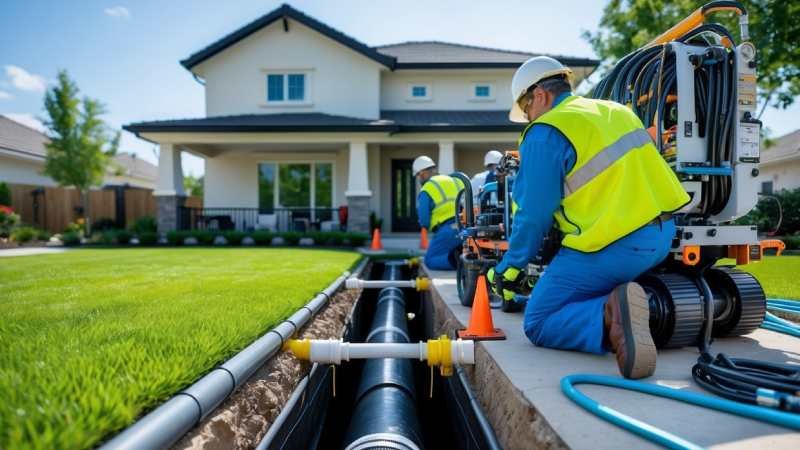
Beautiful mature gardens are one of the defining features of many long-established family homes. Large trees, dense landscaping, shaded lawns, and thriving plant life can add enormous visual appeal and property value. However, beneath these attractive outdoor spaces, hidden plumbing problems are often developing slowly over time. Many homeowners only become aware of these issues after experiencing blocked drains, flooding, or recurring plumbing failures. This growing awareness is one reason services associated with pipe relining moore park and modern trenchless plumbing solutions are becoming increasingly important for households with older gardens and aging underground infrastructure.
Mature Trees Are Often the Biggest Hidden Threat
One of the most common discoveries homeowners make is how aggressively tree roots interact with underground drainage systems.
Roots Naturally Seek Water Sources
Underground pipes create a consistent source of moisture, especially during dry conditions. Even very small cracks or loose joints can attract nearby root systems.
Once roots locate a moisture source, they may:
- Enter tiny pipe openings
- Expand inside the pipe
- Trap debris
- Restrict water flow
- Cause structural damage
This process often develops gradually over many years.
Older Gardens Usually Have Larger Root Systems
Mature trees found in established family homes often have extensive underground root networks that stretch much farther than homeowners expect.
Large roots from:
- Fig trees
- Palm trees
- Gum trees
- Bamboo
- Hedging plants
can eventually interfere with underground plumbing systems located several meters away.
Plumbing Problems Often Remain Hidden for Years
Underground drainage issues rarely become obvious immediately.
Damage Develops Slowly
Many homeowners experience only mild symptoms at first, such as:
- Occasional slow drainage
- Minor gurgling sounds
- Intermittent blockages
- Slight sewer odors
Because these signs may seem minor, the underlying pipe deterioration often continues unnoticed.
Surface Appearance Can Be Misleading
A well-maintained garden does not necessarily indicate healthy underground infrastructure.
In fact, thriving vegetation may sometimes signal excess underground moisture caused by:
- Leaking pipes
- Cracked drainage systems
- Poor underground flow
Homeowners are often surprised to learn that plumbing problems have existed beneath healthy-looking gardens for years.
Older Family Homes Commonly Have Aging Pipes
Many homes with mature landscaping were built decades ago, meaning their plumbing systems are also aging.
Traditional Pipe Materials Deteriorate Over Time
Older properties frequently contain:
- Clay pipes
- Cast iron drainage
- Earthenware systems
- Aging copper lines
These materials naturally weaken due to:
- Corrosion
- Soil pressure
- Temperature changes
- Long-term water exposure
As pipes age, they become more vulnerable to root intrusion and structural failure.
Modern Water Usage Adds Extra Pressure
Contemporary households often place greater demands on plumbing systems through:
- Additional bathrooms
- Larger kitchens
- Outdoor drainage
- Increased appliance usage
Older drainage infrastructure may struggle to handle these modern demands efficiently.
Landscaping Choices Can Influence Drainage Problems
The design of mature gardens sometimes unintentionally contributes to underground plumbing issues.
Dense Planting Increases Root Competition
In heavily landscaped yards, plant roots compete aggressively for moisture and nutrients.
This competition may drive roots toward:
- Sewer lines
- Stormwater pipes
- Irrigation systems
- Drainage joints
especially during dry seasons.
Hardscaping Can Complicate Repairs
Established family homes often include:
- Stone pathways
- Decorative paving
- Retaining walls
- Outdoor entertaining areas
- Swimming pools
When underground plumbing issues occur, traditional excavation may require disturbing these expensive outdoor features.
Seasonal Changes Can Worsen Underground Stress
Many homeowners discover that weather patterns influence drainage performance more than expected.
Dry Periods Encourage Root Growth Toward Pipes
During drought conditions, tree roots may become more aggressive in seeking underground moisture sources.
This increases the likelihood of:
- Root penetration
- Pipe cracking
- Joint separation
particularly in older pipe systems.
Heavy Rain Can Reveal Existing Weaknesses
Storm seasons may suddenly expose hidden problems through:
- Overflowing drains
- Flooded gardens
- Slow stormwater drainage
- Sewer backups
These events often reveal damage that has been developing gradually for years.
Modern Inspections Are Changing Homeowner Awareness
Many property owners only fully understand their underground plumbing condition after a professional inspection.
CCTV Drain Cameras Reveal Hidden Damage
Modern camera inspections allow plumbers to identify:
- Root intrusion
- Pipe cracks
- Corrosion
- Misalignment
- Internal blockages
without excavation.
This technology has dramatically improved homeowner understanding of underground infrastructure risks.
Early Detection Helps Prevent Major Repairs
Identifying problems early allows homeowners to:
- Schedule preventative maintenance
- Avoid emergency failures
- Reduce repair costs
- Protect landscaping
before severe damage develops.
Trenchless Repairs Are Becoming More Popular
Homeowners with established gardens are increasingly choosing less invasive repair methods.
Excavation Can Destroy Mature Landscaping
Traditional pipe replacement may require:
- Digging trenches
- Removing plants
- Breaking pathways
- Damaging lawns
- Disturbing outdoor structures
For homeowners who invested heavily in their gardens, this level of disruption can be highly undesirable.
Modern Repairs Preserve Outdoor Spaces
Trenchless technologies can often repair underground pipes internally with minimal surface disturbance.
This helps protect:
- Mature trees
- Decorative landscaping
- Outdoor entertainment areas
- Garden design features
while restoring plumbing functionality.
Family Homes Often Delay Plumbing Upgrades
Many homeowners focus first on visible renovations while underground infrastructure receives less attention.
Cosmetic Improvements Usually Take Priority
Families often invest in:
- Kitchens
- Bathrooms
- Flooring
- Landscaping
- Outdoor living spaces
while aging drainage systems remain untouched beneath the property.
Plumbing Is Frequently Ignored Until Problems Appear
Because underground systems are hidden, maintenance is often delayed until:
- Blockages occur
- Water damage appears
- Drains fail completely
By this stage, repair complexity and costs may already be much higher.
Water Damage Risks Extend Beyond the Garden
Underground plumbing issues can eventually affect more than just outdoor areas.
Moisture Problems May Impact Foundations
Leaking underground pipes can contribute to:
- Soil instability
- Foundation movement
- Structural moisture
- Cracking
particularly in older homes.
Indoor Plumbing Symptoms May Eventually Develop
Severe underground drainage problems can eventually lead to:
- Slow household drains
- Sewer smells indoors
- Bathroom backups
- Water pooling near the home
These issues often indicate advanced underground deterioration.
Preventative Maintenance Is Becoming More Common
Experienced homeowners increasingly view drainage maintenance as part of long-term property care.
Routine Inspections Reduce Surprises
Regular inspections help identify developing issues before they become major emergencies.
This allows families to:
- Plan repairs gradually
- Protect landscaping
- Reduce long-term costs
- Extend pipe lifespan
more effectively.
Homeowners Are Thinking Long-Term
As awareness grows, more property owners now treat underground infrastructure similarly to:
- Roof maintenance
- Electrical servicing
- Structural upkeep
rather than waiting for catastrophic failures.
Final Thoughts
Family homes with mature gardens often discover that beautiful outdoor spaces can place significant pressure on aging underground plumbing systems. Tree roots, older pipe materials, changing soil conditions, and decades of gradual wear frequently combine to create hidden drainage problems that remain unnoticed until major symptoms appear.
Fortunately, modern inspection technologies and trenchless repair methods are making it easier for homeowners to identify and manage these issues without destroying established landscaping. As more families recognize the importance of proactive underground maintenance, drainage care is increasingly becoming a routine part of protecting long-term property value and preserving the beauty of mature residential gardens.