
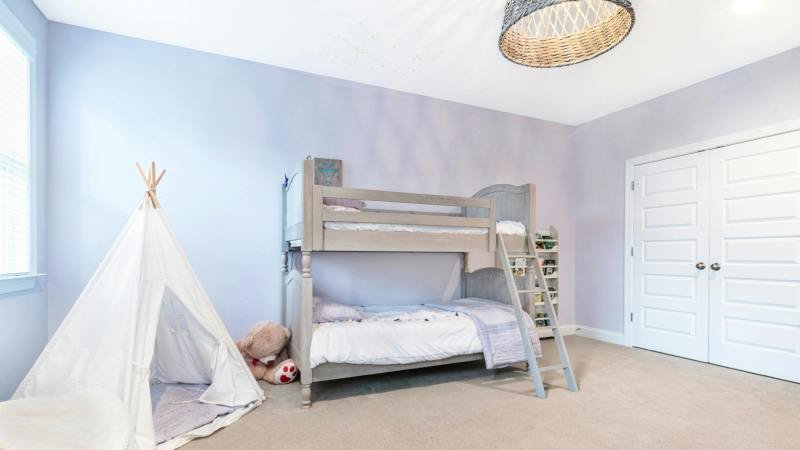
Parents obsess over strollers, snacks, and screen time. Then, they place a child in an unfamiliar bedroom and anticipate miraculous results. Sleep, focus, and emotional regulation. All of this is supposedly emerging from a space that was planned in just five frantic minutes at a furniture store. A child’s room functions like a training ground. It shapes habits, attention span, and sense of safety. It either soothes the nervous system or provokes it with a stick each night. Treat it like a lab. Every choice either helps growth or gets in the way. Nothing in that room stays neutral.
Start with the Bed, Not the Paint
Everyone runs to fairy lights and color swatches. Missing the point. The bed governs sleep, and rest controls everything. Sleep affects mood, vocabulary, growth hormones, and impulse control. All of it. Designer murals pale in comparison to a sturdy frame supporting a twin mattress and a good pillow. Avoid drafts, lighting, and vents near the bed. Avoid big frames that expire after two years. Neutral essentials let youngsters flourish without cartoons. Comfort first. Beauty can orbit that anchor like satellites.
Storage That Forces Kids to Think
A mess in a kid’s room rarely signals laziness. It usually signals confusion. When everything has a clear home, even a five-year-old can tidy. Open bins for daily toys, labeled drawers for clothes, and a single shelf for treasures. That shelf matters. It teaches curation. It is crucial to select only the most significant rocks. Hooks at child height let jackets and backpacks land where they should. Furniture with hidden storage looks clever but turns into a black hole. Visibility beats cleverness. The brain struggles to organize what is rarely visible.
Zones Turn Chaos Into Routine
A child’s room functions better as three small zones than one big blur. A sleep zone should have low lighting, soft textures, and no homework. It’s also crucial to have a play zone with an open floor space and toys that you can quickly roll out and back. The focus zone features a small desk and a comfortable chair and is free of distracting light. That separation trains the brain. Bed equals rest. Desk equals effort. Floor equals imagination. Screens stay out of the sleep zone. The nervous system learns boundaries by bumping into them daily, then adjusting slowly.
Let the Room Grow with the Child
At four, parents freeze the room. Be astonished when a 10-year-old hates it. Furniture should last. Themes should peel. Posters, beds, and lamps can feature personality with neutral walls, solid curtains, and basic rugs. Lighting needs levels. A bright ceiling light for chores, a focused lamp for reading, and a little nightlight without melatonin should be used. Give the child limited choices. Desk accessories, art, and pillows. Decision-making without structural damage, wiring concerns, or faulty plumbing fittings is possible with room autonomy.
Conclusion
Children grow in lurches. Bones, opinions, and sleep patterns all shift faster than adults can keep up. The room has to flex with that. The room should not function as a showroom but rather as a tool. It should be a space that safeguards rest, encourages play, and maintains order that fosters healthy habits. No parent controls the outside world. Classrooms, buses, social feeds. Chaos everywhere. Control exists here. The room consists of four walls, a door, and a series of deliberate choices. Get those right, and the room quietly works alongside every parenting strategy, almost like another adult nearby.