
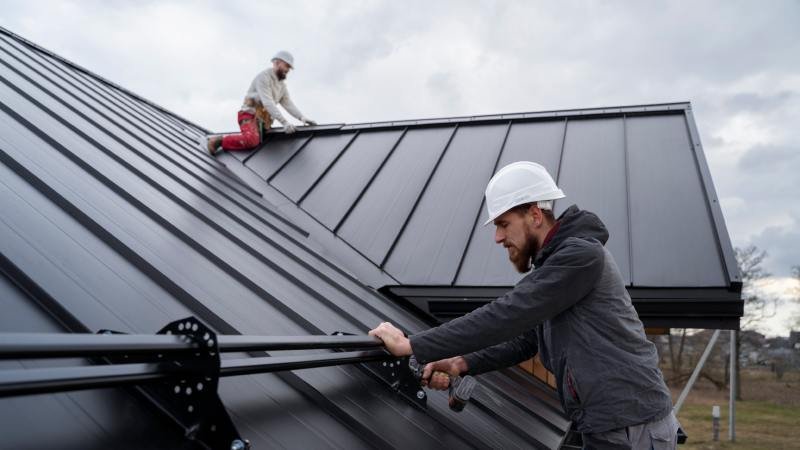
Your roof is one of the most important parts of your home. It protects your property from rain, wind, snow, and extreme temperatures. When it comes to repairs or replacement, choosing the right roofing contractor is critical. A poor decision can lead to leaks, structural damage, and costly repairs in the future.
Understanding how to select a reliable professional ensures your investment is protected and your home remains safe.
Why Hiring the Right Roofing Contractor Matters
Roofing projects are expensive and complex. Whether you need minor roof repair services or a complete roof replacement, the contractor you choose determines the quality, durability, and safety of the work.
A professional residential roofing contractor will:
-
Use high-quality materials
-
Follow local building codes
-
Provide proper warranties
-
Ensure safe installation
-
Complete the project on time
Hiring the wrong company can result in poor workmanship and additional costs later.
Check Licensing and Insurance
The first step in choosing a roofing contractor is verifying proper licensing and insurance.
A reputable roofing company should have:
-
State or local contractor license
-
General liability insurance
-
Workers’ compensation coverage
Insurance protects homeowners from liability in case of accidents or property damage during the project.
Look for Experience and Local Reputation
Experience matters in roofing projects. Contractors with several years in the industry are more likely to handle different roofing materials and challenges.
When evaluating a local roofing contractor, check:
-
Online reviews
-
Customer testimonials
-
Completed projects
-
References from past clients
Local contractors are often more reliable because they understand regional weather conditions and building requirements.
Ask About Roofing Materials and Options
Different homes require different roofing materials. Common options include:
-
Asphalt shingles
-
Metal roofing
-
Tile roofing
-
Flat roofing systems
A professional roofing company should explain material benefits, durability, and costs. They should recommend options based on your climate, budget, and long-term goals.
Get a Detailed Written Estimate
Always request a written estimate before starting any roofing work. The estimate should include:
-
Labor costs
-
Material costs
-
Timeline
-
Cleanup details
-
Warranty information
Avoid contractors who provide vague or verbal pricing. Transparency is a sign of professionalism.
Understand Warranty Coverage
Reliable roofing contractors offer warranties on both materials and workmanship.
There are typically two types of warranties:
-
Manufacturer warranty (covers materials)
-
Workmanship warranty (covers installation quality)
Make sure you understand what is included and how long coverage lasts.
Evaluate Communication and Professionalism
Professional contractors communicate clearly and respond to questions promptly. From the first consultation to project completion, clear communication ensures expectations are met.
Signs of professionalism include:
-
Written contracts
-
Clear timelines
-
Organized project management
-
Proper safety procedures
Watch for Red Flags
Avoid contractors who:
-
Ask for full payment upfront
-
Lack a physical business address
-
Provide extremely low bids
-
Pressure you into quick decisions
Quality roofing work requires fair pricing and proper planning.
When to Replace Your Roof
Homeowners should consider roof replacement if they notice:
-
Missing or damaged shingles
-
Water stains on ceilings
-
Sagging roof structure
-
Frequent leaks
-
Roof age over 20–25 years
Scheduling a professional roof inspection helps identify issues early.
Final Thoughts
Choosing the best roofing contractor for your home requires research, comparison, and careful decision-making. A reliable roofing professional ensures quality workmanship, long-lasting materials, and peace of mind.
Investing in the right contractor protects your home’s value and prevents costly future repairs. Always prioritize experience, licensing, reputation, and transparent pricing when making your decision.